The Injury Action Plan
Written by Kyle Ligon - MovementLink.FIT Head Coach
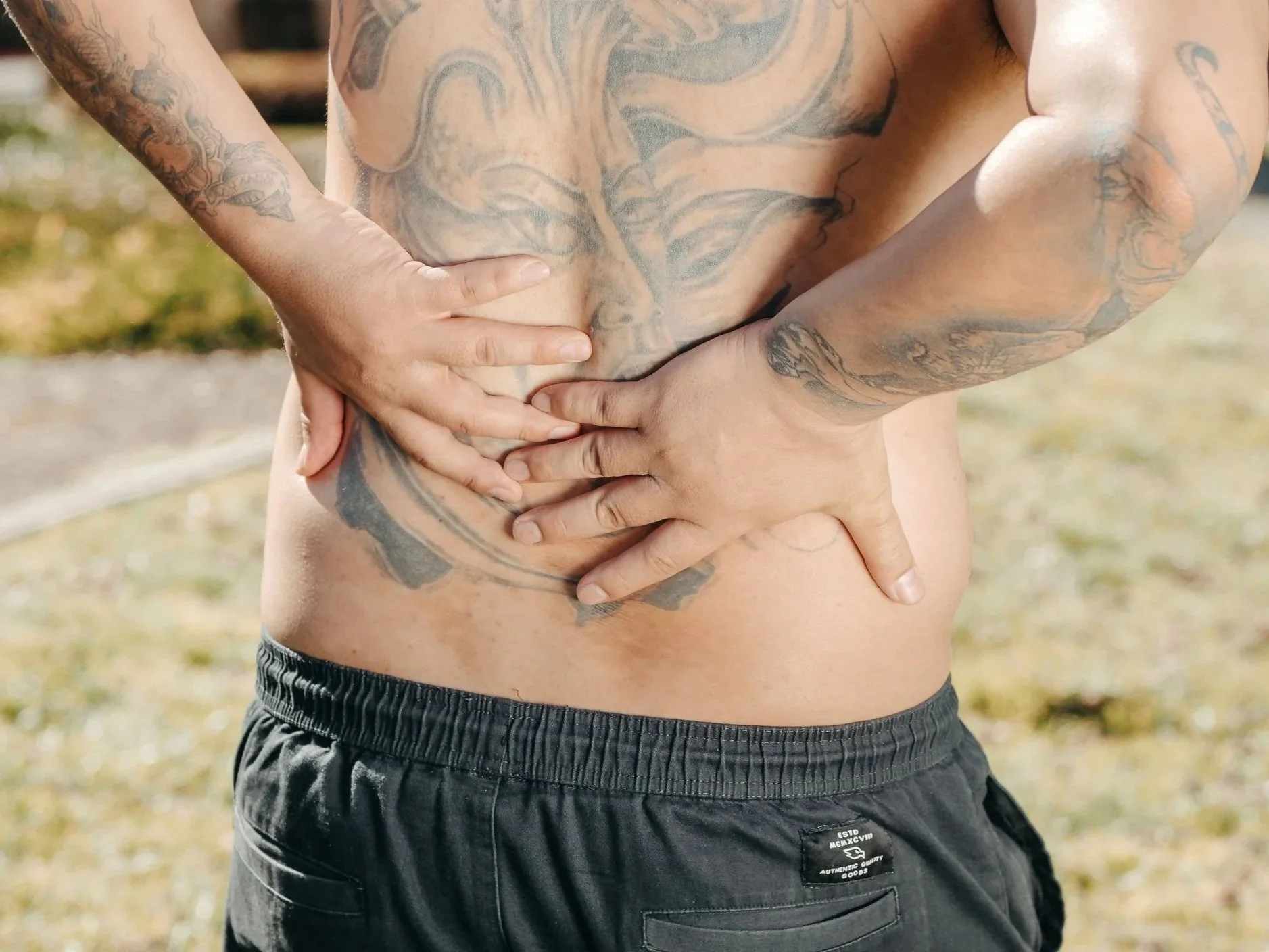
Whether you’re working out 4+ days a week or just sitting around, experiencing pain is inevitable; everyone experiences tweaks and nagging pains at some point. Most issues can be resolved in days, but common misconceptions often turn temporary issues into long-term limitations. To supercharge your recovery, definitely talk to your coaches and follow this action plan:
Don’t Ice: Swelling is a natural biological process that supplies vital healing resources. Icing blunts this response and can cause further tissue damage. Use compression, heat, and muscle contractions to manage swelling and improve blood flow.
Don’t Just Lay Around: Being sedentary makes recovery harder. Movement increases blood and lymph flow, bringing nutrients to the area and clearing waste. Be smart, walk, and continue exercising, substituting out painful exercises.
Don’t Seek Comfort in Junk Food: Inflammatory foods, alcohol, and poor sleep dramatically slow down your recovery. Give your body the high-quality foundation it needs to heal.
10min of Mobility Every Day: You have to be sick of hearing me talk about this by now, but this is the most common small little habit that gets ignored that will change people’s lives in a profound way. If you are already doing this, make sure 2-4 minutes of your effort goes into areas specifically tied to your painful issue.
Movement Tests and Identifying the Root Cause(s): Surprising to most, the painful area isn’t always where the issue is. If you’re dealing with a painful foot or plantar fasciitis, often times the root of the problem is upstream in the hamstrings, glutes, or even the traps. Movement tests you can do on your own or an in-person or remote movement and mobility session with me, can help get you hone in on where to put your effort.
If you are going to consult a doctor, consult the right type of doctor: Skip the general practitioner (who might just prescribe pain meds) and the immediate jump to a surgeon. Instead, seek a highly recommended Physical Therapist who can actively resolve the root issue and refer you out if necessary.
Don’t Use Supportive Gear: Stop masking the problem with weight belts or braces. With the exception of compression gear to aid blood flow, supportive gear restricts natural movement and hides the root cause. If supportive gear is used, it should be an extremely temporary aide.
Note: if you play a dynamic sport, supportive gear (temporarily) can provide added buffer from re-injury, but we want to balance the temporary support we get with the gears' side effect of inhibiting rehab.
How to Modify Your Workouts During Recovery
We never want you to push through pain, but you shouldn’t stop exercising, either. Continuing to move maintains your habits, sustains your progress, and drastically shortens your recovery time.
Use the strategies below as temporary bridges back to full intensity, always adhering to the 2/10 Pain Rule which means that feeling a very small amount of discomfort is normal, but we do not push through the pain.
Reduce Risk: Remove the most dynamic exercises (like box jumps, cleans, or jerks) where you cannot safely bail out mid movement. Simplify your exercises until you are confident you can handle them.
Modify the Range of Motion: Swap in "sister exercises" to limit stress on the affected joints.
For example:
Knee or Ankle Pain: Swap full squats for box squats (the higher the box, the less joint flexion).
Knee Pain: Swap lunges for low box step-ups
Shoulder or Elbow Pain: Swap bench presses for floor presses.
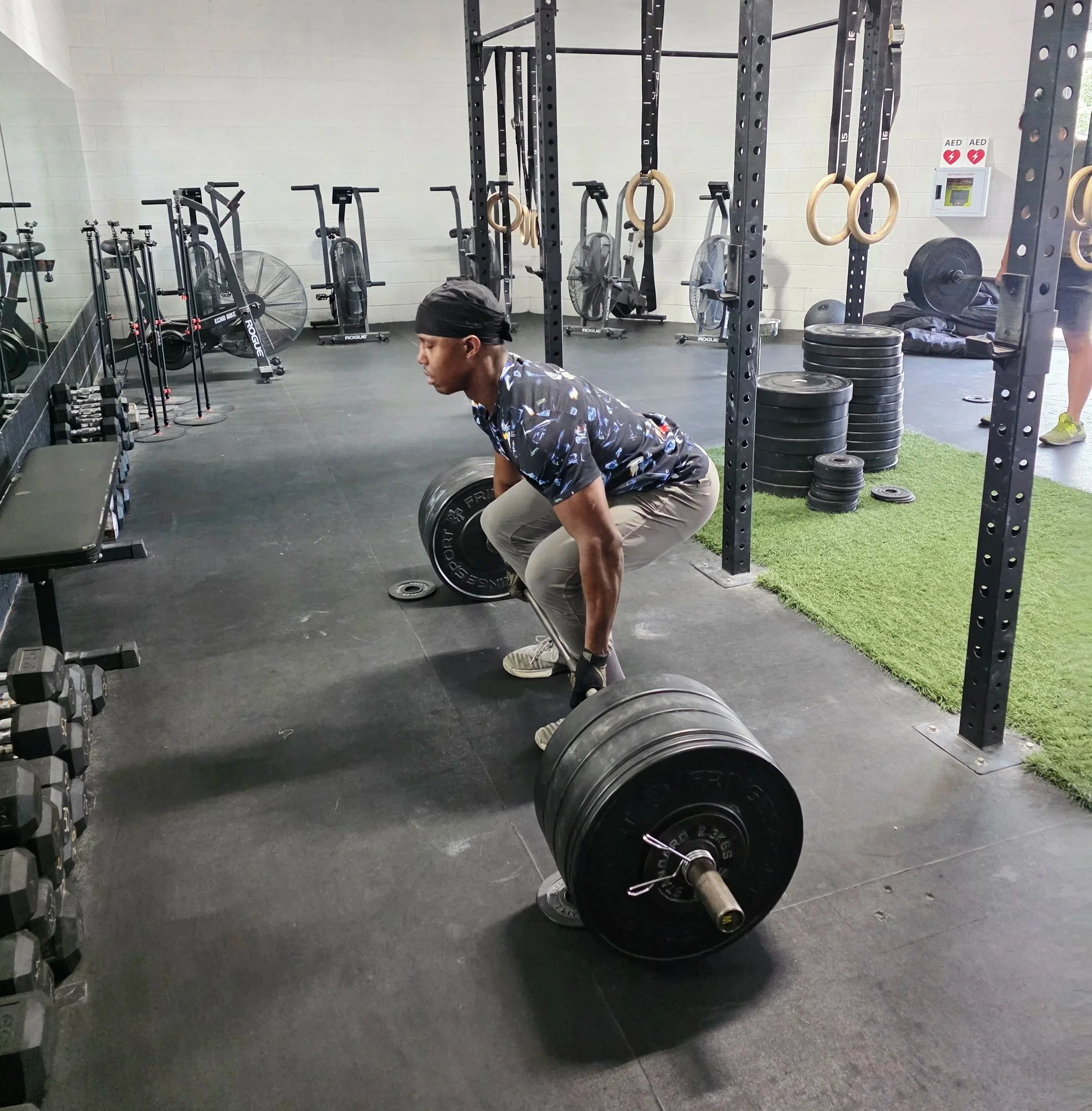
Back Pain: Reduce the weights (sometimes you can increase the reps) and limit how much your torso hinges forward.
Improve Your Technique: Technique issues and deviations from optimal functional movement patterns are typically found at the root of pain and tight areas. Improving your technique is not only the pathway to recovery and future resilience, but to coming back beyond 100%.
The Progression Pathway: Reintroduce trouble exercises systematically. Start slow with perfect technique. Progress to moving faster. Then progress to heavier weights. Only when those are mastered should you progress to fast, heavy, and fatigued workouts.
When you're feeling some pain, don't just wait around and hope for it to heal. You gotta be procactive!
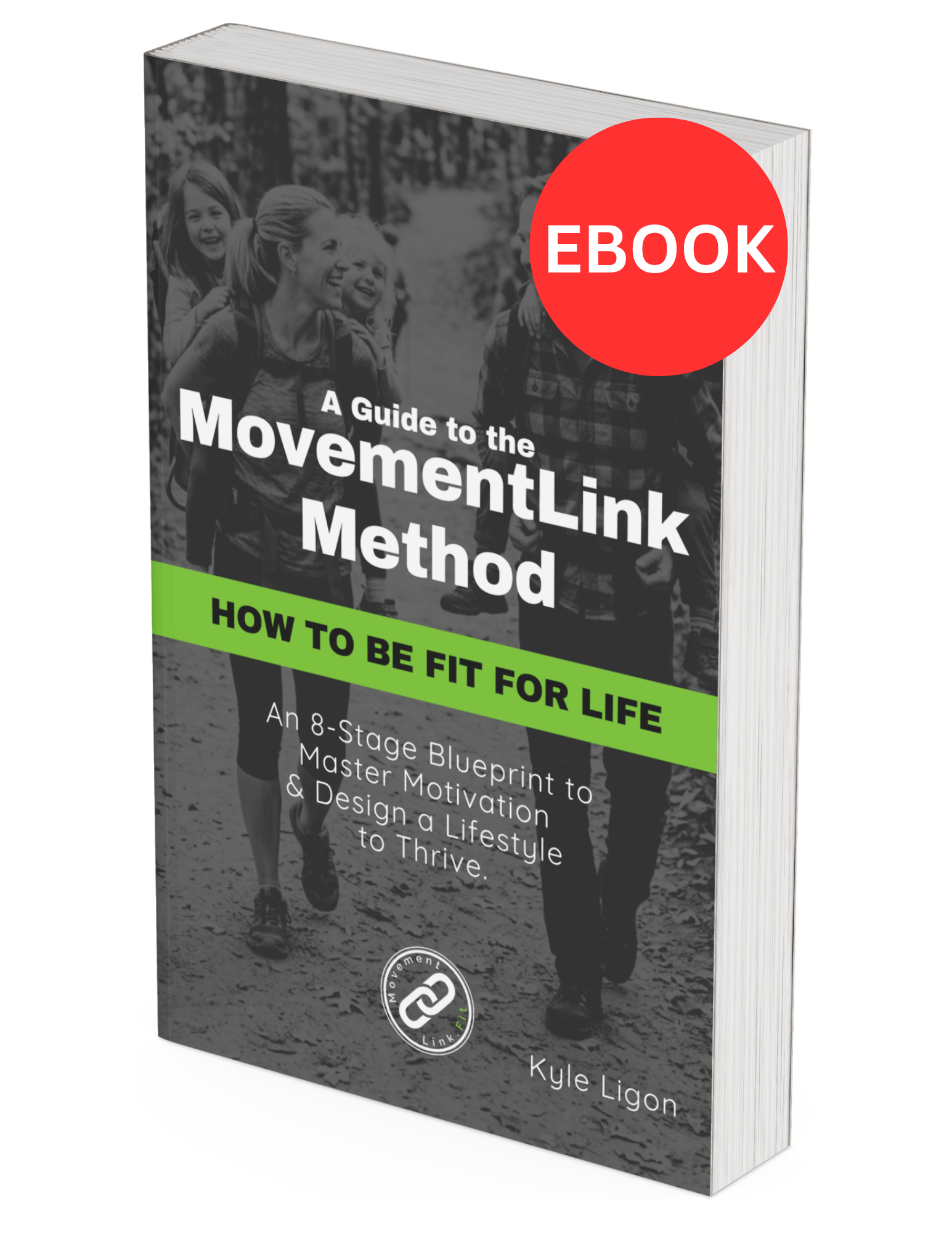
THE EBOOK IS NOW AVAILABLE
I have been running clients through my MOMENTUM transformation program for 8 years with tremendous success. But, with the amount of 1-on-1 attention I provide in the program, it creates a cost that has been prohibitive for some. I have finally consolidated the MOMENTUM program into one, easy to navigate EBOOK, so that more people can finally access the information that has changed my life and so many others.
When you finally “Get It”, the results you’ve been after are inevitable.