What's On My Mind - September 2026
What’s On My Mind
What’s On My Mind
Top 5 Ways to Blow Past a Plateau
This Month’s Health Challenge
Sleep Better: Cover the Basics, Then Optimize
What’s On My Mind
Top 5 Ways to Blow Past a Plateau - by Kyle Ligon
When looking for results, most people focus on specific muscle groups, internet misconceptions (e.g., cardio is the best way to burn fat), or flawed logic like, if I was able to back squat 300lbs, then I’d look the way I want to look.
You don’t need to spend years wishing for better results as you learn the hard way that this is the wrong stuff to focus on (like I did). Instead, once you build a rock solid foundation, the efficiency gains supercharge your results. Here are my top 5 things to do to reach that next level and finally get the results you’re after.
1.Consistency - Work out 4 or more days a week
It’s not heroic individual efforts on any given day, it’s consistency that drives sustainable, long-term, incredible results. We have seen 4 high quality days be a tipping point for people. Always make sure your program addresses our Non-Negotiable Exercise Stimuli to ensure your workouts are not leaving any gaps in your health and fitness.
Action: Review your last 8 weeks. Have you hit at least 4 days a week in each of the last 8 weeks? What do you need to do to make it happen?
2. Sleep - 7+ hours of actual sleep (not just time in bed)
Workouts produce a stimulus that breaks us down. Sleep is where our body recovers and adapts to the stimulus (SRA Curves). When we have low quality sleep, our results are dramatically diminished.
Sleep doesn’t just directly impact results, being chronically underslept indirectly impacts it through
making you more susceptible to getting sick,
increasing your cravings and feelings of hunger,
decreases your mood and energy levels (making you less likely to workout and be active throughout the day),
and even makes you appear less attractive to people!
Action: Track your sleep for the next week. Are you getting at least 7+ hours of actual sleep (not just time in bed)? If not, audit your caffeine and alcohol use and your pre-sleep routines.
3. Nutrition - Our body needs real foods and a diverse combination of vitamins and minerals.
Sleep may be when we re-build, but the raw materials need to be there. For most, the results they are after never come until nutrition is addressed, but they come flooding in once it is. Find a sustainable approach to making better nutrition decisions and your life will change.
Action: Log your food for 3 normal days. Are you actually hitting your protein targets? Are you eating a diverse range of whole foods, or relying on processed conveniences?
4. Workout Execution - For Intent, Intensity, and Technique (FIIT)
Intent - Bring the right intent to each exercise and each piece of your workout. Here are some examples:
Are you going hard enough when the program calls for “Hard” or are you holding some back? When doing strength work, are you simply putting in the effort required to move the barbell or are you moving the barbell up as hard as possible on each rep (A Need for Speed). Strength requires maximal intent and force (The Force Awakens).
When you’re doing KB swings, audit the technique you are employing. Are you using a jumping pattern explosively to ensure the work transfers optimally to the real world or are you doing more of a slower hip hinge like the kettlebell sport coaches teach to conserve energy and possibly get more reps in the workout? Personally, even though it uses more energy, I do the jump pattern with max power because it transfers best into sport. We want to make choices that provide the best out-of-the-gym results.
Action: Before your workout, make sure you understand the intent behind each exercise and each piece and then commit to it during the workout.
Intensity - Working out 4 days a week, sleeping, and eating well and still not completely happy? That next level is most likely going to be unlocked by the intensity you bring to your workouts.
Most people I see in the gym get a little challenged, but tend to stay mostly comfortable. Workouts burn and they get out of breath, but once that uncomfortable feeling arrives, instead of embracing it, they seek a more comfortable experience. Instead, we need to embrace the suck (always prioritizing quality technique).
Here’s what helps me in the moment: Regardless of how it feels right now, an hour from now I am going to be fine. Do I want to look back and wish I would have pushed harder or do I want to look back knowing I put in a lot of effort.
Action: In your next workout. The last 30 seconds to a minute should feel like a 9.5-10 / 10 RPE (Relative Perceived Exertion). Sometimes you need to push (with good technique) to what you think is going to be a 10/10 or a 0 Reps in Reserve to get a sense of if you are truly there…most people vastly underestimate what 10/10 feel like.
Technique - Your intensity is only as good as your technique. Your future potential is always limited by your technique development, so if you prioritize intensity at the expense of technique, you are not only increasing your risk of injury, but you will always run up against a performance ceiling.
Action: Record a workout. Audit whether or not your posture broke down as you pushed the intensity or got more fatigued.
5. Non-Exercise Activity - Break Sedentary Hours with Activity
There have been studies that show groups of people who are sedentary for a day do not respond to exercise the way people who break sedentary hours with movement do. If you sit all day, your workouts are unable to undo the negative metabolic effects it creates. Benefits of Walking
Action: Set up an alarm that goes off every hour for a day. Ensure that you are up and moving around for a couple of minutes. 4 seconds is all you need if you’re going to do an air bike sprint. 30 seconds is all you need if you’re going to do burpees, push-ups, and air squats, and a couple of minutes is all you need if you are going to walk around, stretch, etc.
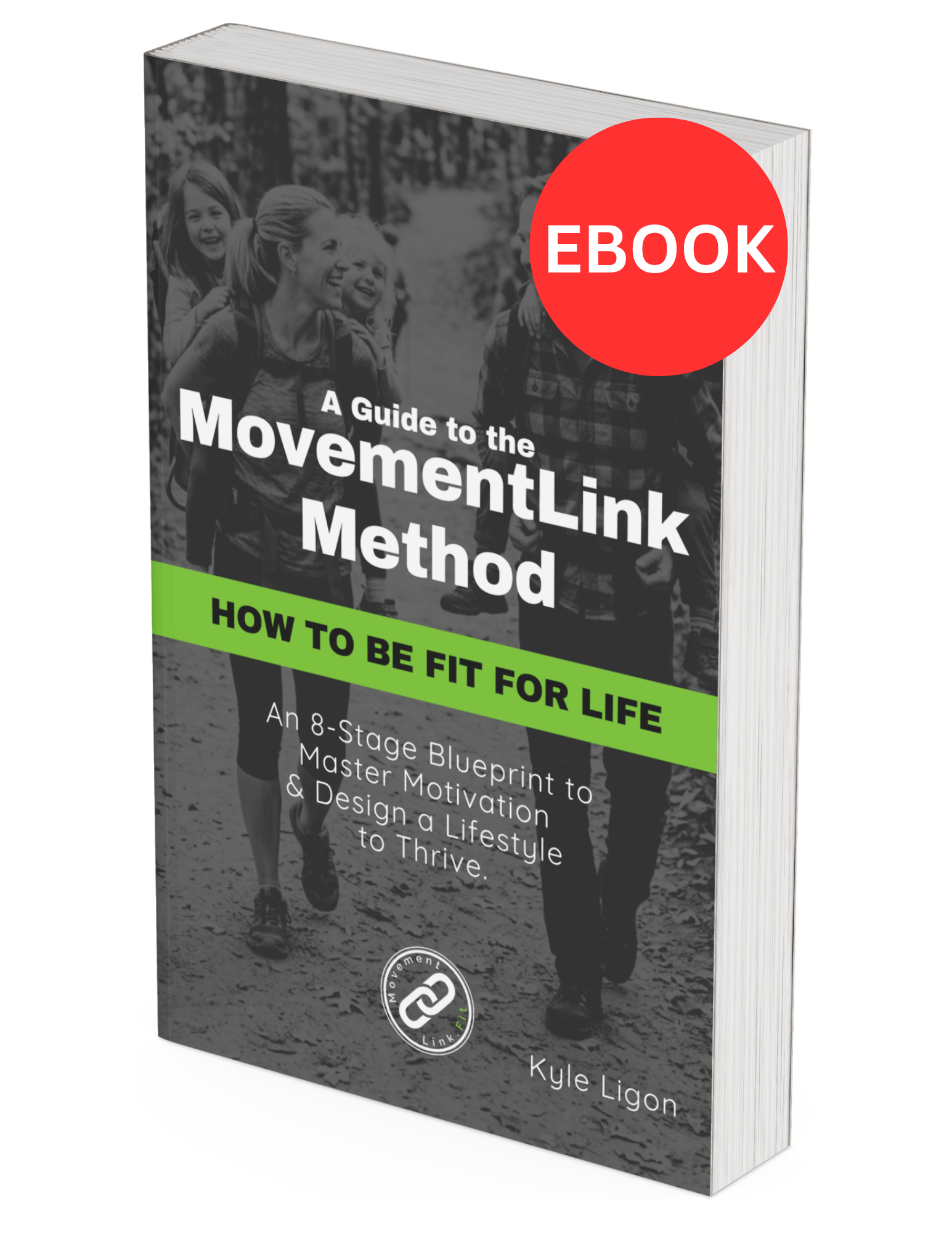
THE EBOOK IS NOW AVAILABLE
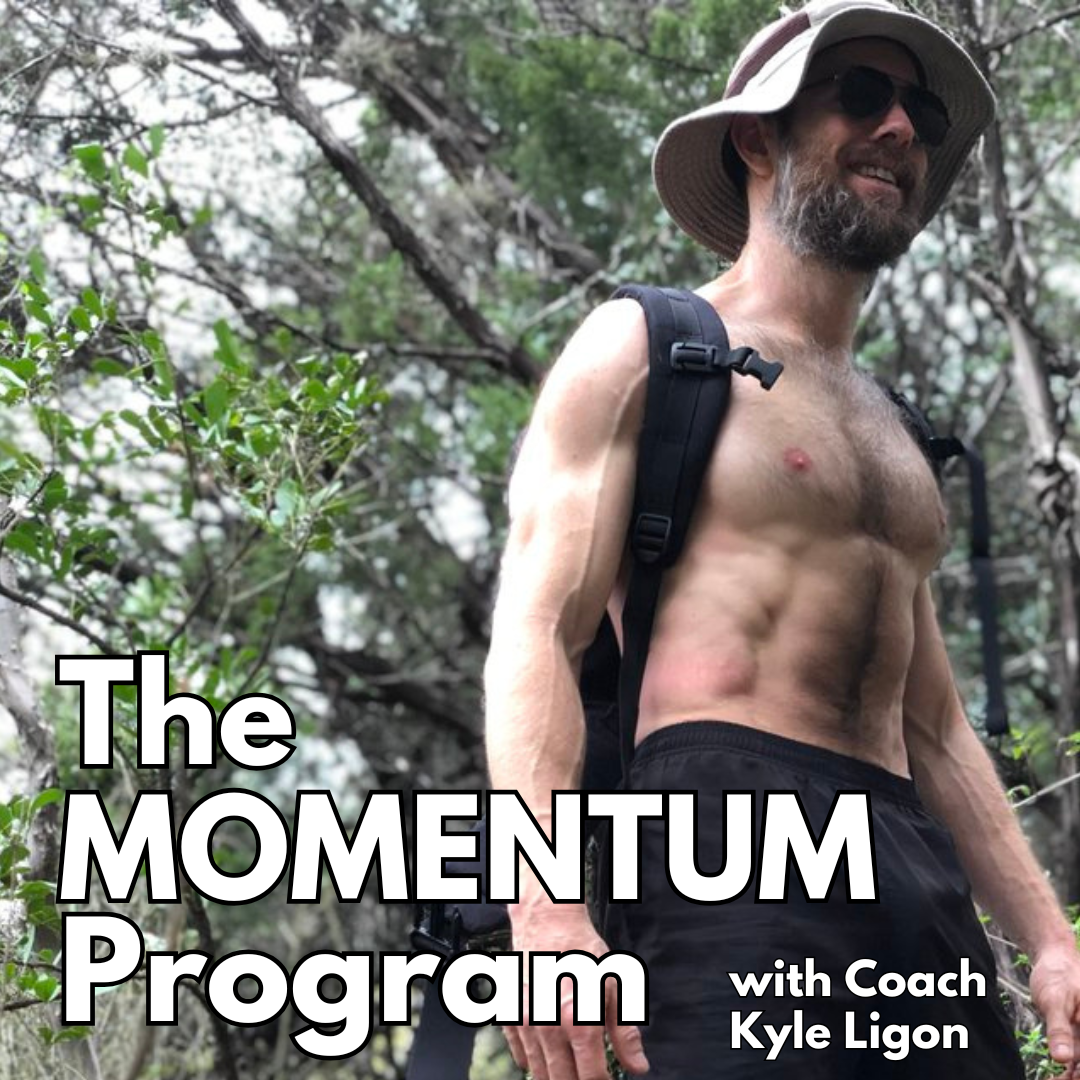
I have been running clients through my MOMENTUM transformation program for 8 years with tremendous success. But, with the amount of 1-on-1 attention I provide in the program, it creates a cost that has been prohibitive for some. I have finally consolidated the MOMENTUM program into one, easy to navigate EBOOK, so that more people can finally access the information that has changed my life and so many others.
When you finally “Get It”, the results you’ve been after are inevitable.
This Month’s Health Challenge
Sleep Better: Cover the Basics, Then Optimize - by Kelly Dodds
Sleep advice can be complicated... Track your sleep score, get morning sunlight, stop caffeine at exactly noon, keep your bedroom at the perfect temperature, take supplements, buy a new mattress, use red lights, optimize your REM sleep. Some of these strategies may be useful.
But before worrying about these sleep optimization tips, it's worth asking a much simpler question: Are you consistently getting enough good-quality sleep to function and recover well?
Sleep is essential for physical recovery, cognitive performance, emotional regulation, metabolic health, immune function, and cardiovascular health. But there isn't one single measure that defines "good sleep."
Researchers increasingly describe sleep health as “multidimensional,” including:
Sleep duration
Sleep regularity
Sleep timing
Sleep continuity or efficiency
Daytime alertness and functioning
Sleep architecture (brain wave patterns)
Absence of sleep disorders
For September, we're going to focus on the factors that matter most… and try to figure out which one may be limiting your sleep.
Before changing anything, establish your baseline. For one week, pay attention to your sleep. Each morning, record:
Bedtime: ______
Wake time: ______
Estimated sleep duration & times that you woke up: ______
How rested do you feel? 1 2 3 4 5
You can use data from a watch or sleep tracker if you have one, or just recall your best guess. At the end of the week, look at the pattern rather than each individual night.
Ask yourself:
Am I giving myself enough time to sleep?
Does my schedule change dramatically from day to day or on weekends?
Do I regularly have trouble falling or staying asleep?
Do I wake feeling reasonably restored?
Am I excessively sleepy during the day?
Is something consistently interfering with my sleep?
Now you have something useful as a starting point.
Before trying to optimize sleep quality, make sure you're actually giving yourself enough opportunity to sleep. For healthy adults, regularly obtaining at least 7 hours of sleep is recommended, and many adults function best somewhere between 7–9 hours.
Sleep duration has some of the strongest evidence of any sleep variables. Experimental sleep-restriction studies show that insufficient sleep can impair attention, reaction time, mood, glucose regulation, appetite regulation, and physical and cognitive performance.
There's also an important distinction between time in bed and time asleep. If you need eight hours of actual sleep, getting into bed exactly eight hours before your alarm probably doesn't provide an eight-hour sleep opportunity. You still need time to fall asleep, and most people experience some wakefulness during the night.
If your baseline shows that you aren't regularly getting enough sleep, increase your sleep opportunity. Try moving bedtime earlier by 15–30 minutes. Once that's established, add another 15 minutes if necessary. You don't need to suddenly spend ten hours in bed.
Once you're providing adequate sleep opportunity, look at when you're sleeping. Your body contains an internal circadian system that helps coordinate sleep and wakefulness, hormone secretion, body temperature, metabolism, alertness, and many other physiological processes across approximately 24 hours. Increasing evidence suggests that large day-to-day variations in sleep timing are associated with poorer health outcomes.
Interestingly, some large observational studies have found that sleep regularity predicts mortality and cardiovascular outcomes at least as strongly (sometimes more strongly) than sleep duration. That doesn't prove irregular sleep causes those outcomes. People with irregular sleep schedules can differ in many other ways, but the evidence increasingly suggests that regularity is an important component of healthy sleep.
How much do your bedtime and wake time move around? Try keeping your wake time and bedtime within roughly a one-hour window on most days. But don't turn this into another rigid health rule…a late dinner, vacation, celebration, sick child, or occasional night out isn't going to ruin your health.
Next, what is most likely interfering with your sleep? For some people it's caffeine late in the day, alcohol, stress, an uncomfortable bedroom, scrolling or reading emails in bed, inconsistent schedules, or delaying bedtime trying to squeeze too much into the day.
Here are some common sleep disruptors and experiments to try:
Light - it’s one of the strongest signals regulating your circadian system. Getting outside during the morning and daytime helps reinforce daytime alertness and circadian timing. At night, reducing bright light and highly stimulating activities can help create a clearer transition toward sleep.
Caffeine - it blocks adenosine receptors, interfering with one of the mechanisms that contributes to increasing sleep pressure throughout the day, and its effects can persist for hours. If falling asleep is difficult, try moving your last caffeine earlier and see what happens.
Alcohol - it can make you feel sleepy, but sedation and healthy sleep aren't the same thing. Alcohol can disrupt sleep architecture and contribute to more fragmented sleep later in the night. Pay attention to the difference between nights when you drink and nights when you don't.
Environment - You don't need a perfectly optimized sleep cave, but a bedroom that is dark, quiet, comfortable, and reasonably cool generally creates better conditions for sleep. You can start with obvious solutions before buying gadgets.
Stress and Attention - If your brain is still solving the workday’s problems when you get into bed, consider creating a transition between your active day and sleep. That might mean reading, taking a shower, preparing tomorrow's schedule, writing down unfinished tasks, or giving yourself 20–30 minutes to unwind.
Don’t ignore a possible sleep disorder. Sometimes the answer isn't better sleep hygiene.
Consider talking with a healthcare professional if you experience persistent problems such as:
Loud, habitual snoring
Gasping during sleep
Excessive daytime sleepiness despite adequate sleep opportunity
Persistent difficulty falling or staying asleep
Frequent unexplained awakenings
Uncomfortable urges to move your legs at night
Regularly waking with headaches
Sleep problems that significantly interfere with daily life
Obstructive sleep apnea, chronic insomnia, restless legs syndrome, nutrient deficiencies, and other sleep disorders require more than a better nighttime routine.
This Month’s Challenge:
1. Get Enough: Give yourself adequate opportunity to sleep.
2. Get Regular: Keep your sleep and wake schedule reasonably consistent.
3. Remove Your Biggest Disruptor: Identify a behavior or environmental factor that most likely interferes with your sleep. Then, try to avoid or minimize it.
4. Pay Attention to How You Function: Do you wake feeling restored? Can you stay alert throughout the day? Are you recovering from training?
5. Investigate Recurring Problems: If you're doing the basics and still struggling, the answer may not be another sleep hack.
Want to make it easy? Work directly with a MovementLink Coach!