What's On My Mind - June 2026
What’s On My Mind
What’s On My Mind
What's Next? The Ultimate Advantage of Functional Fitness
This Month’s Health Challenge
Does Modern Food Harm Our Health?
What’s On My Mind
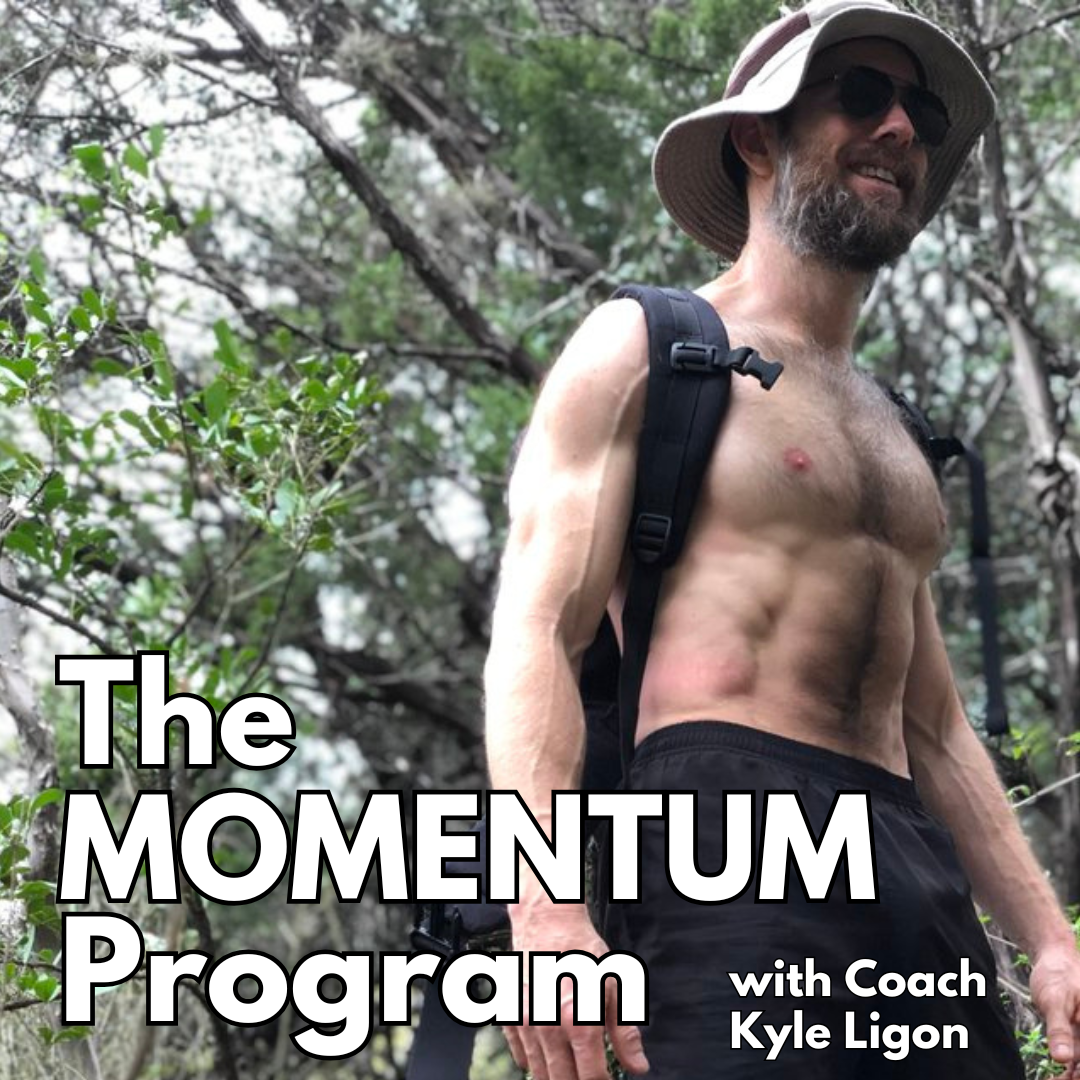
What's Next? The Ultimate Advantage of Functional Fitness - by Kyle Ligon
I just wrapped up the MS150, spending two days riding 150 miles from Austin to College Station, TX to raise money for the MS Society (you can find more information or donate here). It was a great experience, but almost immediately after crossing the finish line, my brain shifted gears: What am I going to get into next?
It is in these exact moments of transition that I am incredibly grateful for the true value of functional fitness.
Because of the foundation I have built, I am not restricted to just being a "cyclist" or a "runner" or a "lifter." I don't have to spend six months building up a new foundation just to try something different. My fitness provides me the option to pivot and explore whatever currently sparks my interest.
The Power of the Launchpad
While I wait to see what specific challenge grabs my attention next, I am amazed to see that when I look around the gym at our coaching staff, they are all pursuing a wildly diverse set of goals:
Coach April completed a triathlon on Memorial Day.
Coach Colby just took an Animal Flow certification course and prepped to PR his Memorial Day Murph.
Coach Alejandro is dialed in on a dedicated strength cycle.
Coach Justin has caught the long-distance bug, diving into marathons and 50+ mile ultramarathons.
Coach Kelly is currently doing Hyrox events.
What makes this ecosystem so effective is the underlying architecture of how they are training.
None of them have abandoned our core programming to become hyper-specialists. Instead, they all use our core functional fitness program as their primary engine, and simply sprinkle their interest-specific training on top of it.
Specialization vs. Functional Freedom
None of us are trying to be professional athletes in these specific niches. The goal is simply to be highly prepared, improve our capacities, and actually enjoy the experience—rather than just surviving it.
Our coaches possess a rare advantage over the vast majority of people at these events: the ability to thrive in a highly specific, grueling event, and then seamlessly pivot to thrive in a completely different physical arena the moment their interests change.
Contrast that with hyper-specialization. The majority of the athletes I rode alongside during the MS150 are incredibly efficient at pedaling a bicycle. But if you asked them to run a half marathon, carry a heavy sandbag, or navigate a Spartan Race, their biology would hit a hard wall. They are trapped in their specialty.
The Phases of Fitness
Over the years, my own interests have constantly shifted. I’ve gone through dedicated phases of CrossFit, sand volleyball, Spartan Races, disc golf, GORUCK events, the MS150, and pickleball. What I will be interested in 5 years from now is anyone's guess and that’s the point of a base of functional fitness.
If I had to completely rebuild my body for every single one of those phases, I would never have done them. Functional fitness is not about being trapped in the gym; it is about building a machine capable of saying "yes" to whatever game you decide you want to play.
A Little Goes a Long Way
Remember, we never want to do anything at the expense of our long term functional performance, body composition, tissue & joint health, or overall health & wellness, so the top priority should be building your base of functional fitness, even if you have a specific interest or goal. Once you’ve established a cross-training routine of 3-6 days per week, then experiment with sprinkling in something you’re interested in. Trust me a little goes a long way here. Results come from consistency and do not require massive efforts. Here are some examples:
Want to focus on a stronger upper body? Substitute one hybrid upper body class a week for our Sunday Upper Body Open Gym workout.
Have a Triathlon, a Marathon, a 12-HOUR GORUCK event or similar? Replace a workout (probably Thursday’s or Saturday’s) with a longer, event-specific workout.
Hopefully with these two examples you can see how minor tweaks to a core cross-training program can leverage your foundation into a specific event while simultaneously keeping you prepared for life and whatever you may become interested in next.
Don’t have anything in mind? Just keep building your foundation, so when anything comes up, you’ll be ready to jump right in!
Build the foundation. Then go explore.
This Month’s Health Challenge
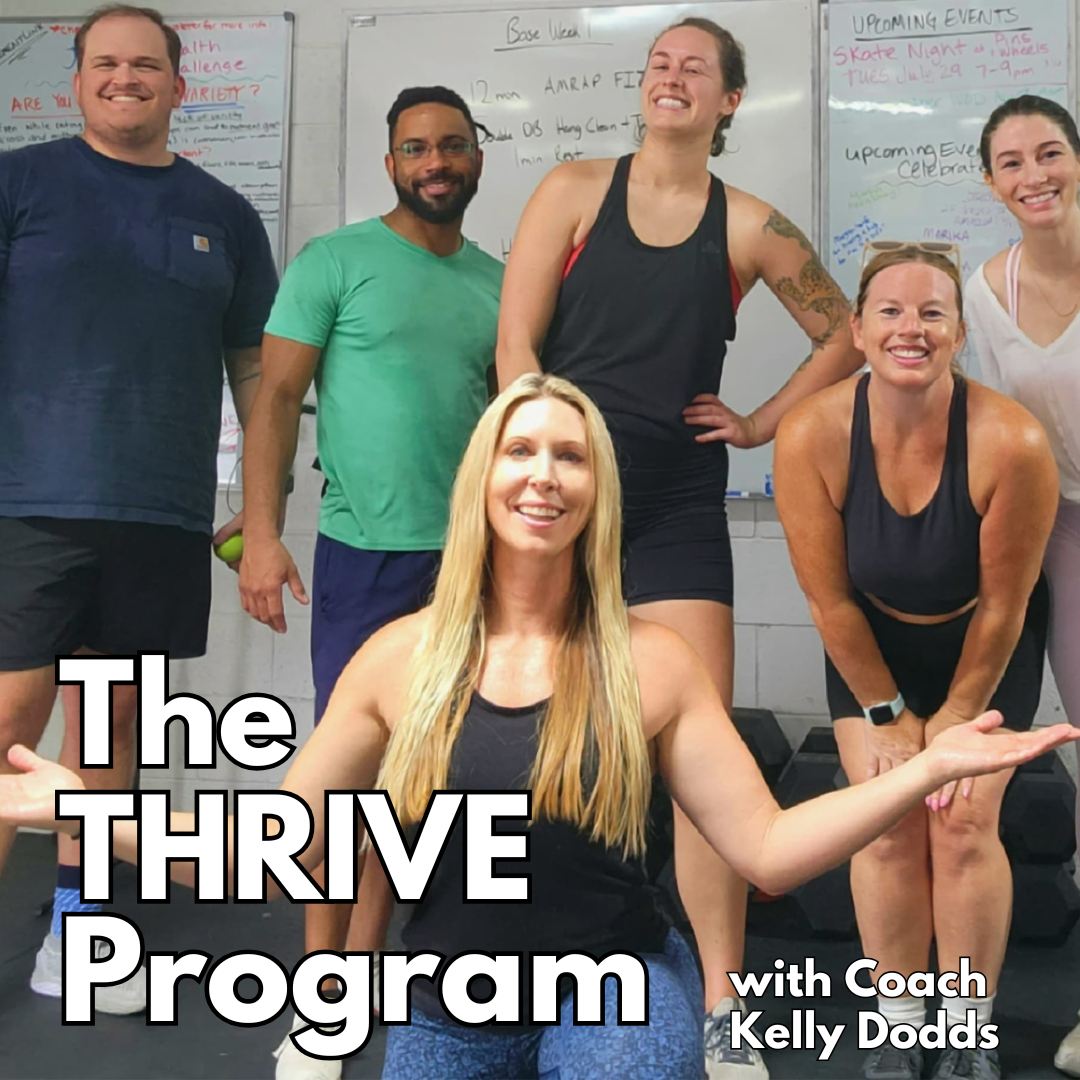
Does Modern Food Harm Our Health? - by Kelly Dodds
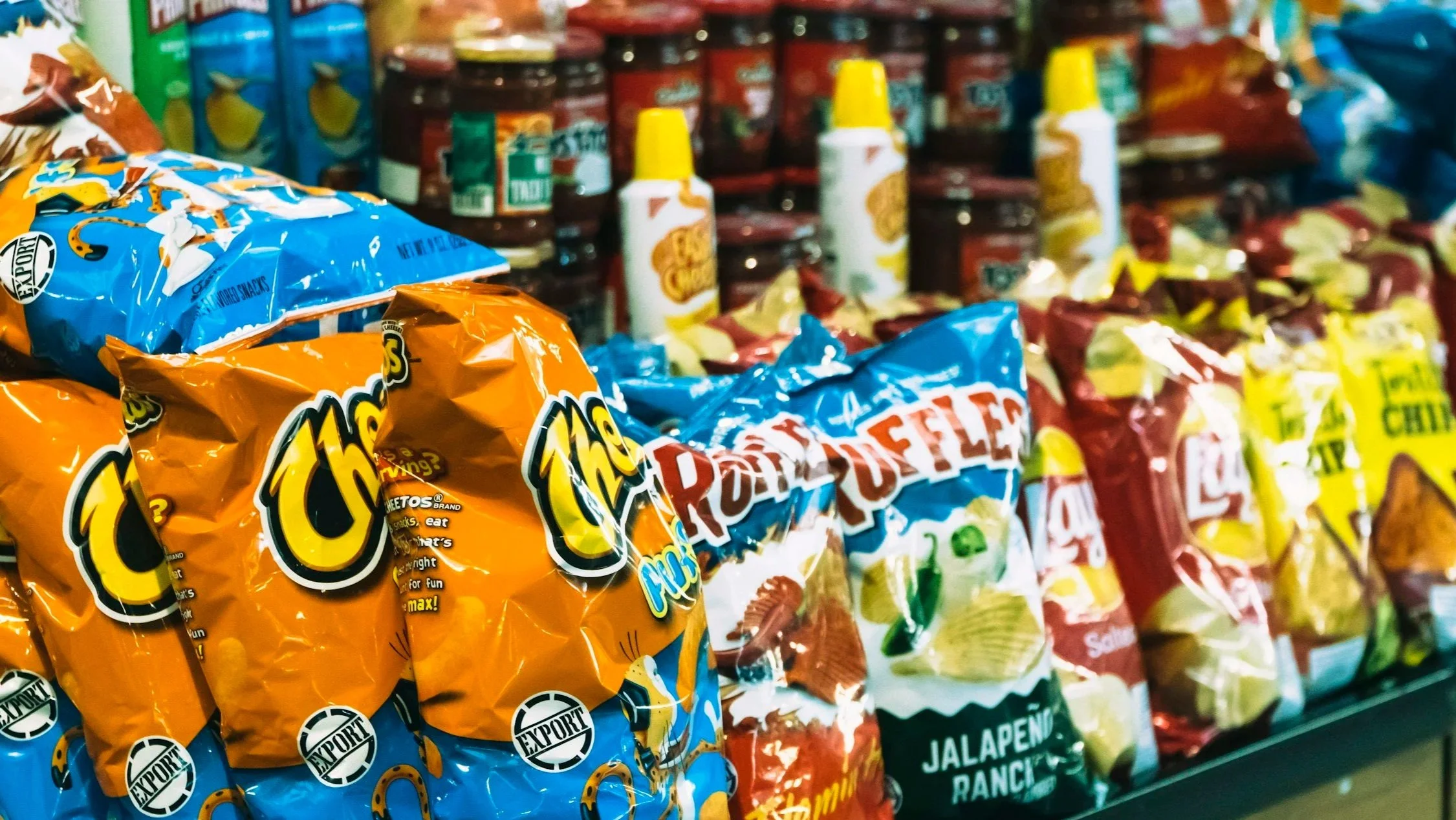
Walk through any grocery store today and you’ll find thousands of food options. Protein bars, frozen meals, cereals, chips, flavored drinks, snack packs, meal replacements, and fast food are more accessible than ever before. At the same time, rates of obesity, type 2 diabetes, cardiovascular disease, and other chronic health conditions have risen dramatically over the past several decades. This has led many people to ask an important question: Is modern food harming our health?
Food processing itself is not inherently bad. People have been processing food for thousands of years. Cooking, drying, fermenting, grinding, freezing, and preserving food helped improve food safety, increase shelf life, and make nutrients more accessible. Modern processing can also make food more affordable, convenient, and available year-round.
But some modern foods are processed in ways that may work against human biology, especially when ultra-processed foods become the foundation of the diet.
The goal of this article is not to create anxiety around processed food, but to better understand:
what food processing actually is
how processing can be both helpful and harmful
what makes ultra-processed foods different
why whole foods often support health more effectively
and how to realistically navigate a world filled with processed food
What Is Food Processing?
Food processing exists on a spectrum. Not all processed foods are equal, so grouping all processed foods together can create confusion.
Minimally Processed Foods: These foods have been altered slightly for convenience, preservation, or safety while still remaining close to their natural form.
Examples include:
frozen vegetables & fruits
plain yogurt
Steel cut oats, brown rice
canned beans
olive oil
nuts
pasteurized milk
These foods can absolutely support a healthy diet. In many cases, processing actually improves accessibility and convenience without significantly reducing nutritional value.
Processed Foods: These foods typically include ingredients added for flavor, preservation, or texture.
Examples include:
cheese
bread
canned soup
smoked meats
peanut butter
pasta sauce
These foods can fit into healthy eating patterns depending on overall diet quality and portion balance.
Ultra-Processed Foods: UPFs are often industrially formulated products made with refined ingredients, additives, flavor enhancers, emulsifiers, and preservatives.
Examples include:
soda
packaged desserts
candy
chips
many fast foods
sugary breakfast cereals
highly processed snack foods
Sauces and dressings
These foods are often designed to be:
extremely convenient
highly palatable
inexpensive
heavily marketed
easy to consume quickly
difficult to stop eating
Not every ultra-processed food has identical health effects, and context matters. But diets heavily dominated by ultra-processed foods are consistently associated with poorer long-term health outcomes, obesity, and increased chronic disease.
Why Could Ultra-Processed Foods Be Problematic?
The issue is usually not one single ingredient acting like a “poison.” The larger concern is how highly processed foods interact with human appetite, behavior, and physiology over time.
1. They Often Reduce Satiety
Many ultra-processed foods are:
low in protein
low in fiber
rapidly digested
calorie dense
This combination can make it easier to overconsume calories before fullness signals catch up.
For example:
chips are easier to overeat than baked potatoes
soda is less filling than fruit
A donut digest faster than a whole grain toast with peanut butter
Whole foods often naturally slow eating and improve fullness, reducing overall calorie intake.
2. They Can Increase Reward-Driven Eating
Modern food companies invest heavily into flavor engineering and food texture to maximize palatability. Many ultra-processed foods are carefully designed to maximize taste, crunch, sweetness, mouthfeel, convenience, and pleasure while eating it.
This can stimulate reward pathways in the brain and encourage frequent snacking and overeating. In other words, many modern foods are engineered to be highly difficult to resist. These foods are designed to encourage consumption by exploiting human biology, not a lack of willpower.
3. They Can Displace More Nutritious Foods
One of the biggest concerns with highly processed foods is the opportunity cost of eating them vs more nutrient-dense foods. The problem is often not just what ultra-processed foods contain…but what they replace. Over time, this can contribute to lower nutrient intake, poor satiety, unstable energy levels, and increased chronic disease risk.
When ultra-processed foods become the majority of the diet, they often replace foods rich in:
protein
fiber
vitamins
minerals
healthy fats
phytonutrients
For example:
sugary cereal replacing eggs and fruit for breakfast
chips replacing nuts or yogurt as a snack
fast food replacing balanced home-cooked meals
4. They Can Make Healthy Eating Harder
Modern life is busy, so convenience matters.
Ultra-processed foods are often:
cheap
portable
heavily advertised
ready to eat
neurologically rewarding
available everywhere
Meanwhile, preparing nutritious meals takes planning, effort, time, and consistency.
This creates an environment where convenience can easily overpower intention. Many people may feel like they fail at eating “healthy” while they live in an environment specifically designed to encourage overconsumption of large brand foods.
Why Whole Foods Are Often Better
Whole and minimally processed foods tend to support health, not because they are “magic,” but because they naturally align better with the body’s needs.
These foods often contain:
more fiber
more protein
more water volume
slower digestion
greater nutrient density
improved satiety
Whole foods also tend to encourage slower eating and more awareness around hunger and fullness.
Examples include:
fruits
vegetables
beans
whole grains
eggs
fish
lean meats (not cured)
nuts
seeds
yogurt
These foods make it easier to feel full, maintain stable energy, support muscle mass, improve digestion, maintain a healthy body weight, and meet nutritional needs. This does not mean every meal must be perfect or completely unprocessed. It means diets built mostly around minimally processed foods often make health easier to maintain.
How To Navigate a World Full of Processed Food
The goal is not perfection…the goal is awareness, balance, and sustainability. Trying to eliminate every processed food often leads to guilt, stress, obsession, and all-or-nothing thinking. Instead, focus on building a nutritional foundation that supports your health most of the time.
Some practical strategies include:
Prioritize protein and vegetables at meals
Build meals around minimally processed foods
Keep convenient healthy food options easily available
Read ingredient lists, look for shorter ingredients lists
Replace a go-to ultra-processed snack with whole-food alternative
Drink mostly water (avoid beverages with added sugars)
Avoid all-or-nothing dieting and strict rules
Some processed foods can absolutely fit into a healthy lifestyle and convenience can be helpful. The key is making these foods an occasional addition rather than the foundation of your diet since we know diets high in ultra-processed food are linked to poor health outcomes. Whereas, diets focused on minimally processed foods better support, energy, health, performance, and longevity.
This Month’s Challenge:
Choose 3 of these habits to focus on throughout the month:
Center most meals around protein and vegetables
Replace one ultra-processed snack with a less processed option each week
Drink mostly water (avoid sweetened beverages)
Read ingredient labels more often, note the length of the ingredients list
Avoid snacking and focus on eating balanced meals
Want to make it easy? Work directly with a MovementLink Coach!