Your Fat Loss Strategy Might Be The Problem
Your Fat Loss Strategy Might Be The Problem
Written by Kelly Dodds, MS
At some point, almost everyone has seen the scale go down… whether it’s from eating less, exercising more, or being more consistent for a few weeks. In the beginning, it usually works. The scale drops, motivation is high, and it feels like progress is happening quickly. But over time, things tend to stall. Workouts feel harder, energy becomes less consistent, hunger increases. And for many, the weight eventually comes back, and possibly higher bodyfat. It’s easy to assume the issue is discipline or that fat loss is just difficult to maintain. Often, the problem isn’t fat loss itself… It's how it was done.
When body weight decreases, it doesn’t come from a single source. The body is always pulling from a combination of stored fat, lean tissue, and water. Early on, a noticeable drop on the scale is often driven by changes in glycogen and fluid balance, not just fat loss. As the process continues, the composition of that weight loss becomes more important because the goal isn’t just to weigh less. It’s to lose fat while maintaining the tissue that supports how your body functions, muscle, strength, and overall capacity.
How you approach fat loss determines where that weight comes from. A large calorie deficit will almost always produce faster weight loss. But it also creates a more stressful internal environment. Recovery becomes more difficult, training quality declines, and the body becomes more willing to give up lean tissue along with fat. A more moderate approach tends to look less impressive in the short term, but it allows for better outcomes over time. Strength is easier to maintain, energy is more stable, and the changes that occur are more likely to last. This is where the process shifts from simply “losing weight” to actually improving body composition.
Training plays a crucial role in maintaining lean tissue (muscles, ligaments, joints, and bones). But nutrition also has a central role in that process, but not just in terms of calories. A calorie deficit determines whether weight loss happens. Nutrition determines how that process happens. One of the most consistent findings in research is the role of protein during fat loss. When protein intake is sufficient, the body is better able to preserve lean mass, even in a deficit. It also improves satiety, which makes the process easier to sustain.
For most people, a practical target is:
~0.7–1.0 grams of protein per pound of body weight per day
Spread across a few meals rather than consumed all at once
This isn’t about perfect accuracy. It’s about creating a consistent signal to maintain muscle.
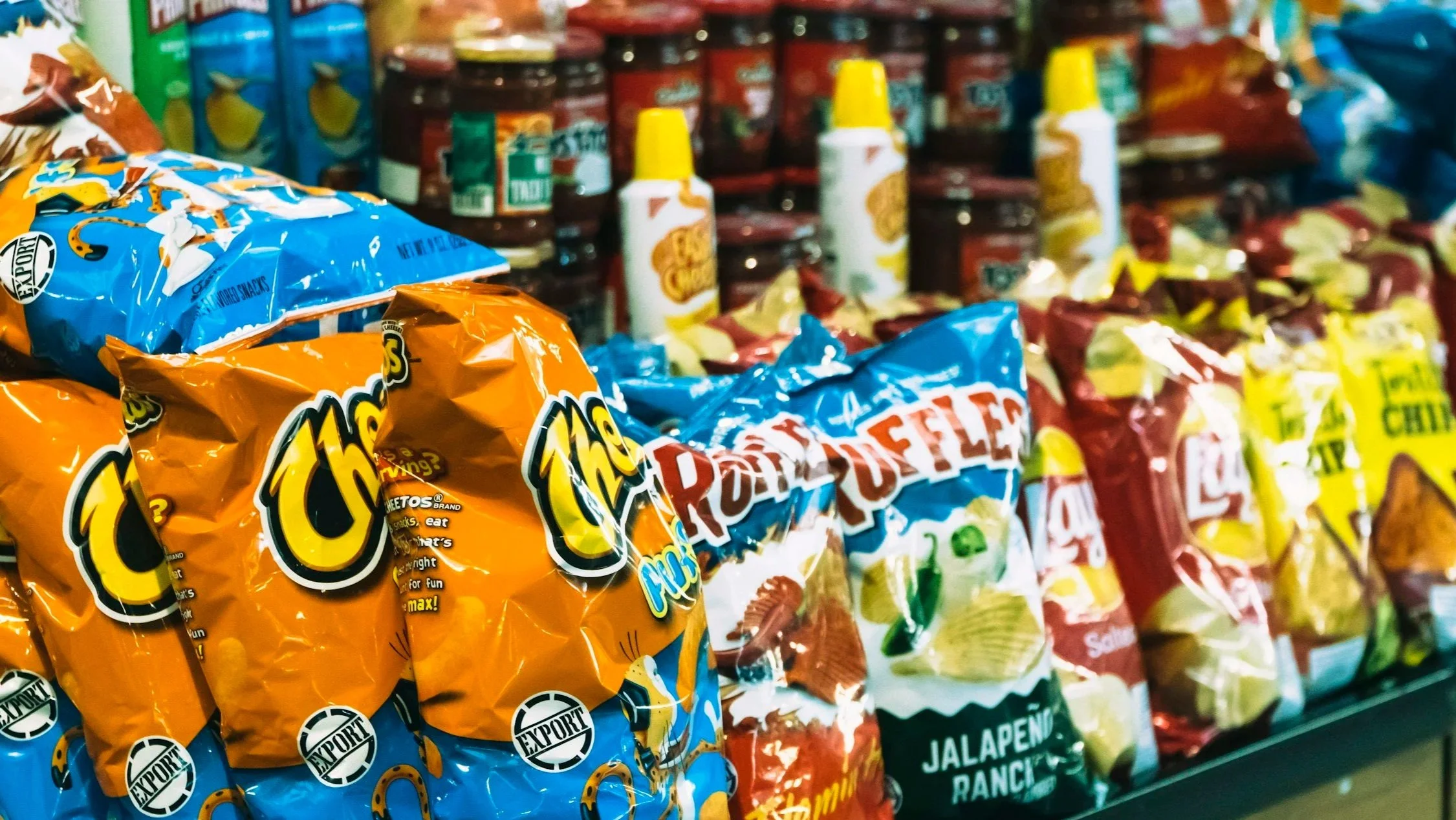
Food quality also shapes the experience more than people expect. Two diets can have the same calorie intake but feel completely different depending on food selection. Diets built around more whole, minimally processed foods tend to be more filling and more nutrient-dense, which helps regulate appetite and maintain energy. Including fiber-rich foods (like vegetables, fruits, legumes, and whole grains) slows digestion and helps keep hunger manageable.
In practice, this often looks like:
Building meals around protein + fiber
Choosing foods that keep you full, not just foods that “fit your calories”
Keeping most meals simple and repeatable
These small decisions add up over time.
Carbohydrates and fats are often misunderstood during fat loss. Carbohydrates support training performance. When intake is too low, workouts tend to suffer, which can make it harder to maintain muscle. Fats play a different role, supporting hormone function and healthy cells. In most cases, a balanced approach works best… one that supports both performance and adherence.
Just as important as what you eat is how consistently you eat. Long gaps between meals or overly restrictive patterns often lead to cycles of under-eating followed by overeating. It’s also harder to get sufficient amounts of protein when meals are less frequent. A more consistent structure with regular meals with 20-50g protein included tends to stabilize hunger and make the process easier to manage.
Another aspect of fat loss is that it doesn’t need to be continuous to be effective. Trying to stay in a deficit indefinitely often leads to fatigue, decreased performance, stalled progress, and possible rebound. In some cases, spending time at “maintenance” (where the goal is weight stability) can improve long-term results by restoring energy and making the process more sustainable.
GLP-1 medications have become increasingly common for weight loss, and for many people, they can be an effective tool for reducing body weight by lowering appetite and overall calorie intake. However, the mechanism is still largely driven by creating a significant calorie deficit, often with reduced food intake across the board, including protein. Without intentional nutrition and resistance training, this can increase the likelihood that some of the weight lost comes from lean mass, not just fat. This isn’t unique to these medications, it’s a risk in any aggressive or poorly structured fat loss approach, but it can be more pronounced when appetite is significantly suppressed.
There’s a range where all of this comes together:
If the deficit is too small, nothing changes.
If it’s too aggressive, the body pushes back with fatigue, reduced performance, metabolic adaptations, and increased difficulty maintaining muscle.
In between is where fat loss becomes more effective:
Progress is steady
Strength is largely maintained
Energy is manageable
This is the range most people are actually looking for, even if they don’t initially approach it that way. Fat loss isn’t just about getting lighter. It’s about becoming more capable in a leaner body, in a way that lasts.
Want to make it easy? Work directly with a MovementLink Coach!