What's Next? The Ultimate Advantage of Functional Fitness
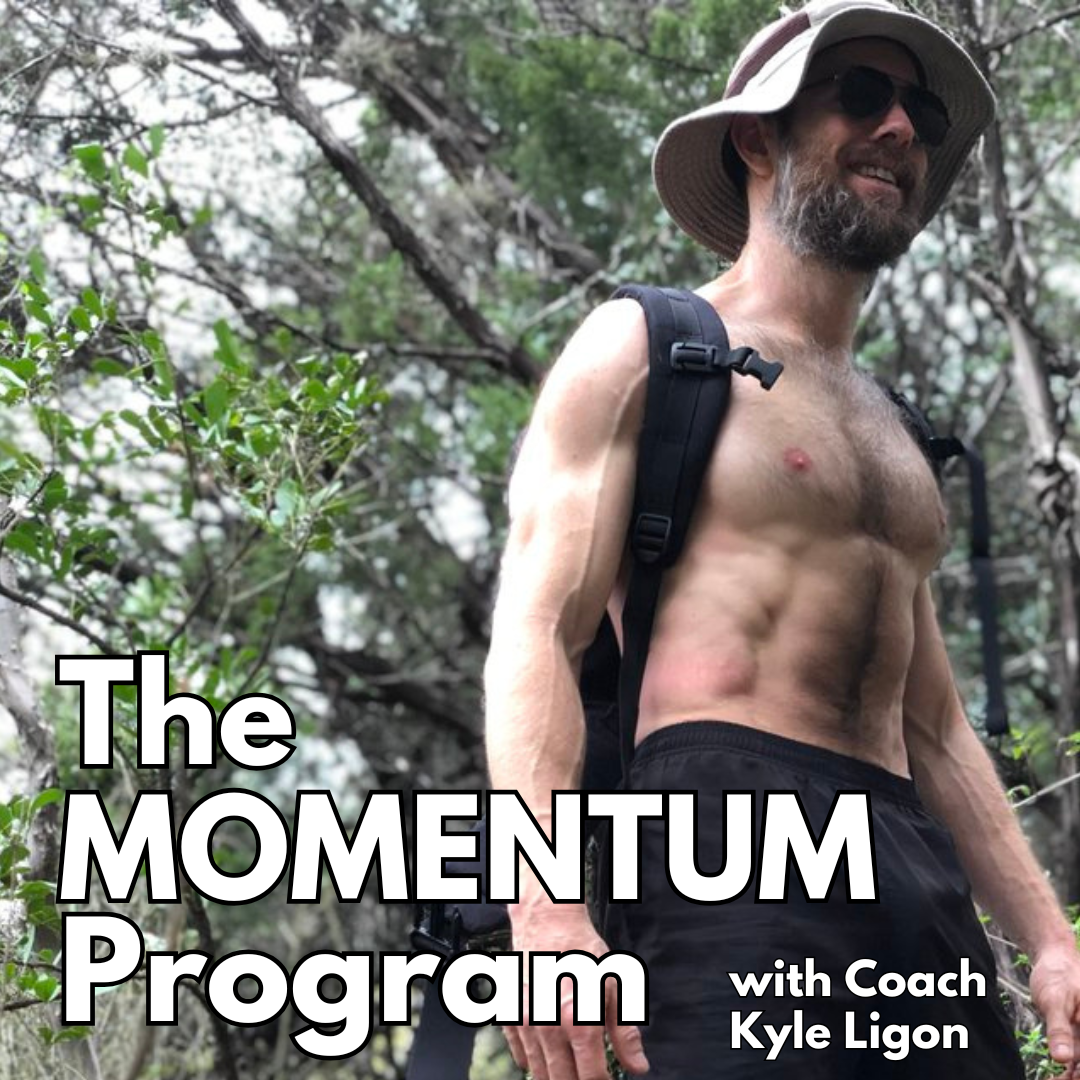
Written by Kyle Ligon - MovementLink.FIT Head Coach
I just wrapped up the MS150, spending two days riding 150 miles from Austin to College Station, TX to raise money for the MS Society (you can find more information or donate here). It was a great experience, but almost immediately after crossing the finish line, my brain shifted gears: What am I going to get into next?
It is in these exact moments of transition that I am incredibly grateful for the true value of functional fitness.
Because of the foundation I have built, I am not restricted to just being a "cyclist" or a "runner" or a "lifter." I don't have to spend six months building up a new foundation just to try something different. My fitness provides me the option to pivot and explore whatever currently sparks my interest.
The Power of the Launchpad
While I wait to see what specific challenge grabs my attention next, I am amazed to see that when I look around the gym at our coaching staff, they are all pursuing a wildly diverse set of goals:
Coach April completed a triathlon on Memorial Day.
Coach Colby just took an Animal Flow certification course and prepped to PR his Memorial Day Murph.
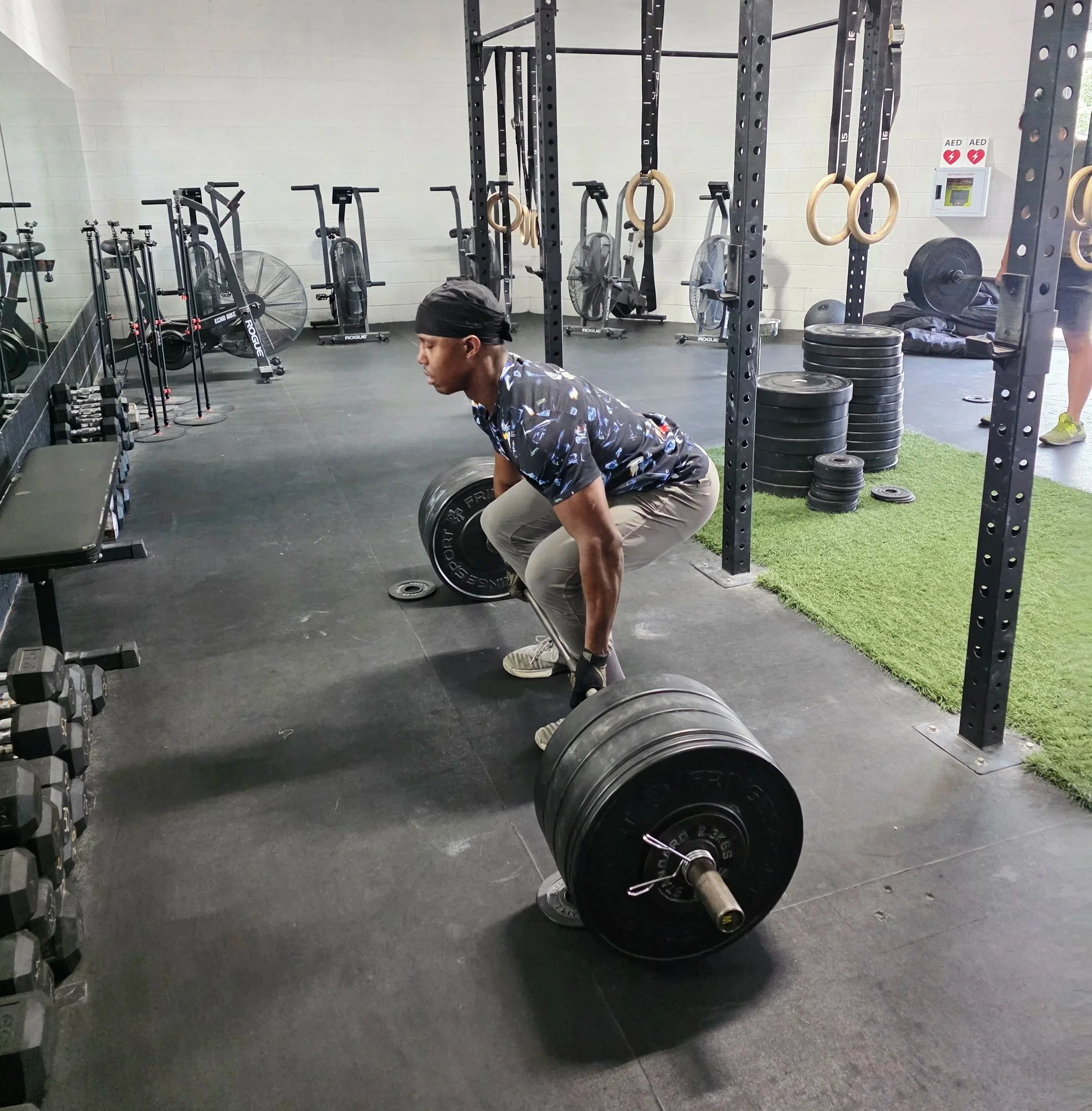
Coach Alejandro is dialed in on a dedicated strength cycle.
Coach Justin has caught the long-distance bug, diving into marathons and 50+ mile ultramarathons.
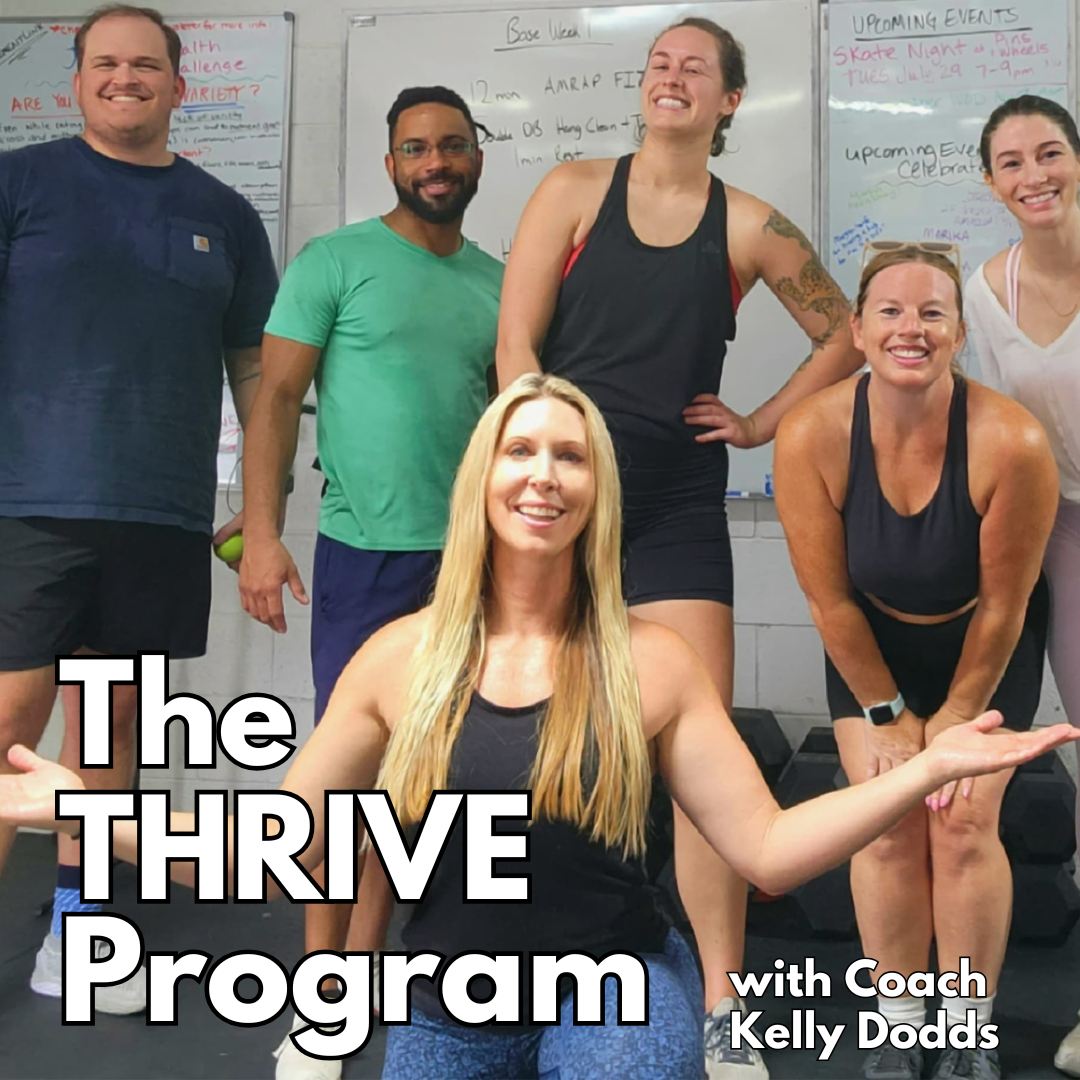
Coach Kelly is currently doing Hyrox events.
What makes this ecosystem so effective is the underlying architecture of how they are training.
None of them have abandoned our core programming to become hyper-specialists. Instead, they all use our core functional fitness program as their primary engine, and simply sprinkle their interest-specific training on top of it.
Specialization vs. Functional Freedom
None of us are trying to be professional athletes in these specific niches. The goal is simply to be highly prepared, improve our capacities, and actually enjoy the experience—rather than just surviving it.
Our coaches possess a rare advantage over the vast majority of people at these events: the ability to thrive in a highly specific, grueling event, and then seamlessly pivot to thrive in a completely different physical arena the moment their interests change.
Contrast that with hyper-specialization. The majority of the athletes I rode alongside during the MS150 are incredibly efficient at pedaling a bicycle. But if you asked them to run a half marathon, carry a heavy sandbag, or navigate a Spartan Race, their biology would hit a hard wall. They are trapped in their specialty.
The Phases of Fitness
Over the years, my own interests have constantly shifted. I’ve gone through dedicated phases of CrossFit, sand volleyball, Spartan Races, disc golf, GORUCK events, the MS150, and pickleball. What I will be interested in 5 years from now is anyone's guess and that’s the point of a base of functional fitness.
If I had to completely rebuild my body for every single one of those phases, I would never have done them. Functional fitness is not about being trapped in the gym; it is about building a machine capable of saying "yes" to whatever game you decide you want to play.
A Little Goes a Long Way
Remember, we never want to do anything at the expense of our long term functional performance, body composition, tissue & joint health, or overall health & wellness, so the top priority should be building your base of functional fitness, even if you have a specific interest or goal. Once you’ve established a cross-training routine of 3-6 days per week, then experiment with sprinkling in something you’re interested in. Trust me a little goes a long way here. Results come from consistency and do not require massive efforts. Here are some examples:
Want to focus on a stronger upper body? Substitute one hybrid upper body class a week for our Sunday Upper Body Open Gym workout.
Have a Triathlon, a Marathon, a 12-HOUR GORUCK event or similar? Replace a workout (probably Thursday’s or Saturday’s) with a longer, event-specific workout.
Hopefully with these two examples you can see how minor tweaks to a core cross-training program can leverage your foundation into a specific event while simultaneously keeping you prepared for life and whatever you may become interested in next.
Don’t have anything in mind? Just keep building your foundation, so when anything comes up, you’ll be ready to jump right in!
Build the foundation. Then go explore.