What's On My Mind - April 2026
What’s On My Mind
What’s On My Mind
Consistency is King
This Month’s Health Challenge
The Essentials: Focus On the Nutrients That Actually Matter
What’s On My Mind
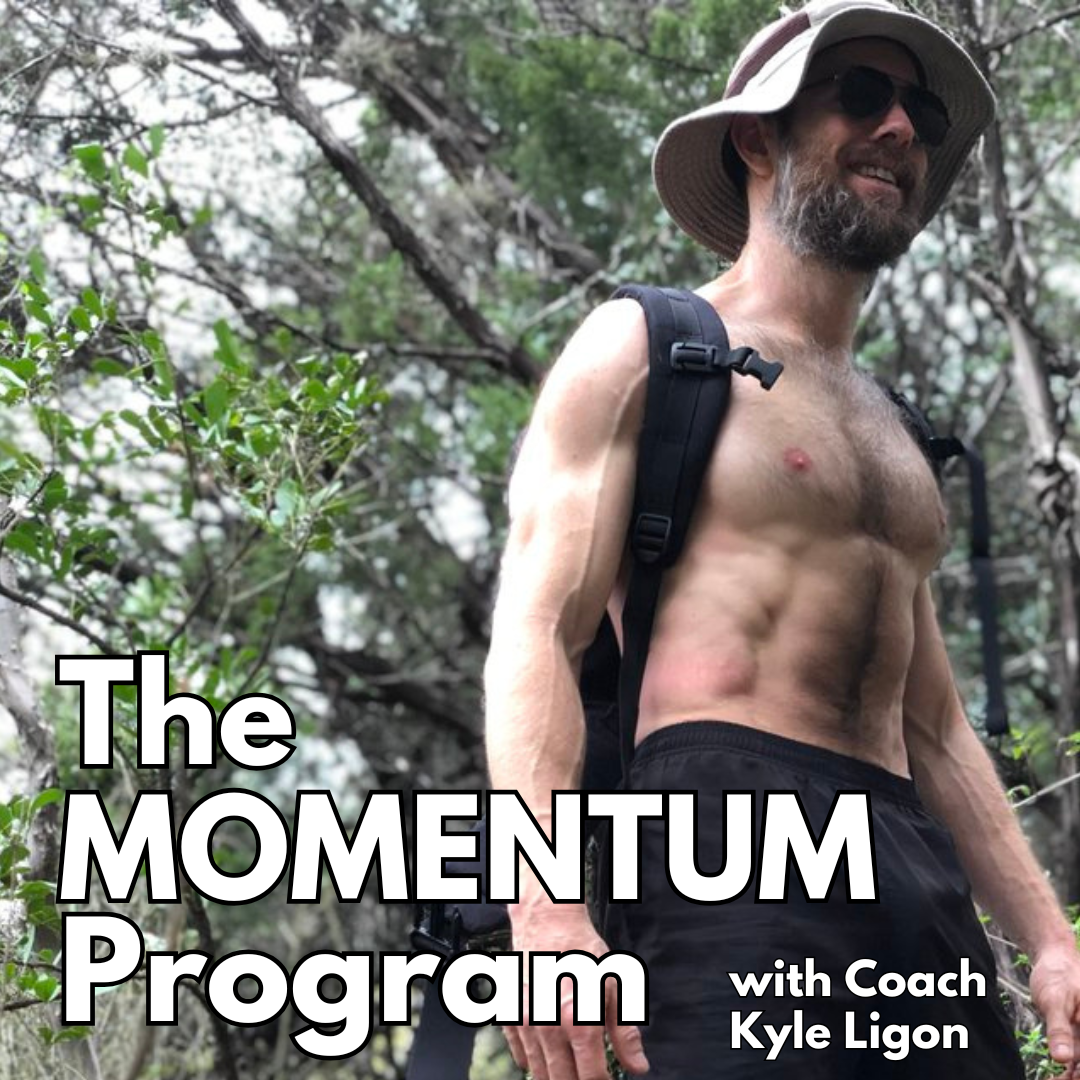
Consistency is King - by Kyle Ligon
When I look back to where I started, I am absolutely amazed at, 41 years old, where my fitness has come.
I remember my first CrossFit workout. It was in 2008, we thought it was called X Fit back then and just had a spreadsheet of a few workouts we did in our garage. My first workout was:
20min AMRAP
3 Thrusters (95/65)
6 Hang Cleans
9 Sumo-Deadlift High-Pulls
We didn’t have a coach or anyone to mentally prepare us for what was about to happen. I worked for the first 4 minutes and was so dizzy, out of breath, and messed up that I spent the next 12 minutes sitting down, getting water and just trying to not fall off of the planet. With 4 minutes left in the 20 minutes, I mustered up 1 more minute of work before quitting. I actually don’t even consider it quitting, I physically could not do it, much less do anything at that point with decent technique.
I had been doing classic bodybuilding split workouts plus a run each week for a couple of years up to that point. Even though I had been working out 5-ish days a week, this workout turned my life upside down. I was crushed. It exposed the gaps in my current workout program. I was hooked.
Now, if I am going to do something every now and then, I don’t care, but if I am going to consistently do something, I really, really, really do not like being bad. After that experience, I was embarrassed with my fitness. It would have been easier to take on the chin if I had no workout experience, but I had been working out consistently for 2 years at that point!
I went all in, learning everything I could about CrossFit. Fast forward 18 years and we’re here. When I look back at my 20 year journey (18 with CrossFit / Functional Fitness methods) I think the number 1 most important thing that has gotten me here, the fittest I have ever been in my life, is that I got started and found a way to make exercise a regular and recurring part of my life.
I did not start with amazing fitness. I did not start with the best program. I did not start with the best technique. But, I started.
Being in the game provided me the opportunity to have the endless amount of epiphanies that have led me to where I’m at today. So, yes, a high-quality cross-training program, working out For Intent, Intensity, and Technique, your mobility, your nutrition, your sleep, etc. all matter and will have a major impact, but you won’t build to any of those things if you don’t take the first step of making exercise a regular part of your weeks.
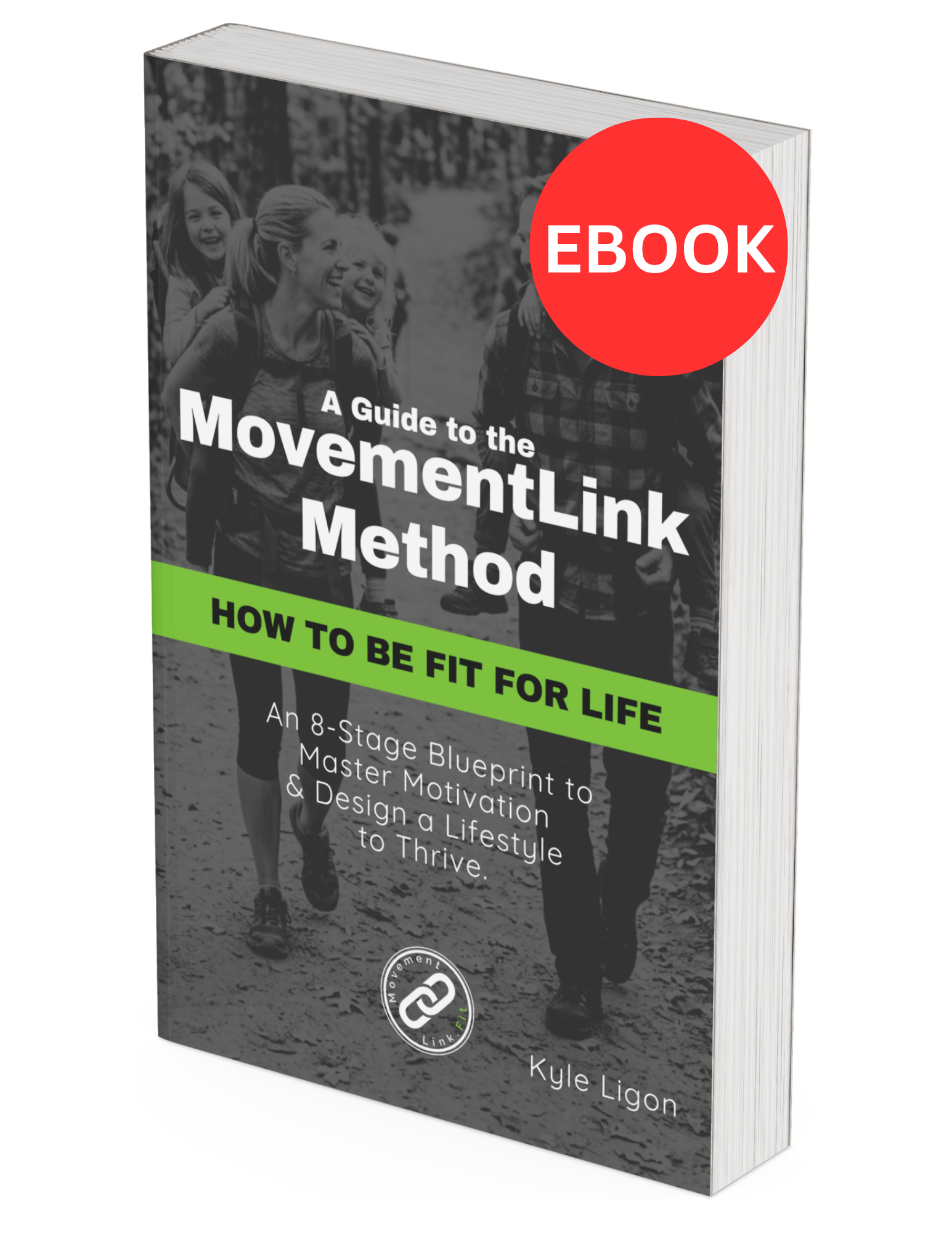
If you are someone looking to get started, who has just gotten started, or if you’re someone who struggles with consistency, I have created a Free Guide - Top 5 Tips to Guarantee Your Exercise Habit (Even When You Lack Motivation).
What You'll Discover Inside:
The Tale of Two Brains: Learn why you should never expect to want to go to the gym, but why you can expect to be ecstatic each time afterwards.
The CEO Schedule: Discover why treating your workout like a critical meeting with your boss is the secret to protecting your time.
The Sleep Multiplier: Find out why sleep plays an enormous role in your willpower, and how a lack of it chemically destroys your motivation.
The 2-4-6 Strategy: Stop tracking the wrong things. Learn how to focus first only on what's directly in your control to guarantee long-term success.
Frictionless Back-Up Plans: Life happens. Learn how to engineer your back-up plans so that when your schedule falls apart, you still get something done.
Bonus: Includes a printable 8-Week Committed Club Tracker to put on your fridge and build your consistency streak!
Enjoy!
This Month’s Health Challenge
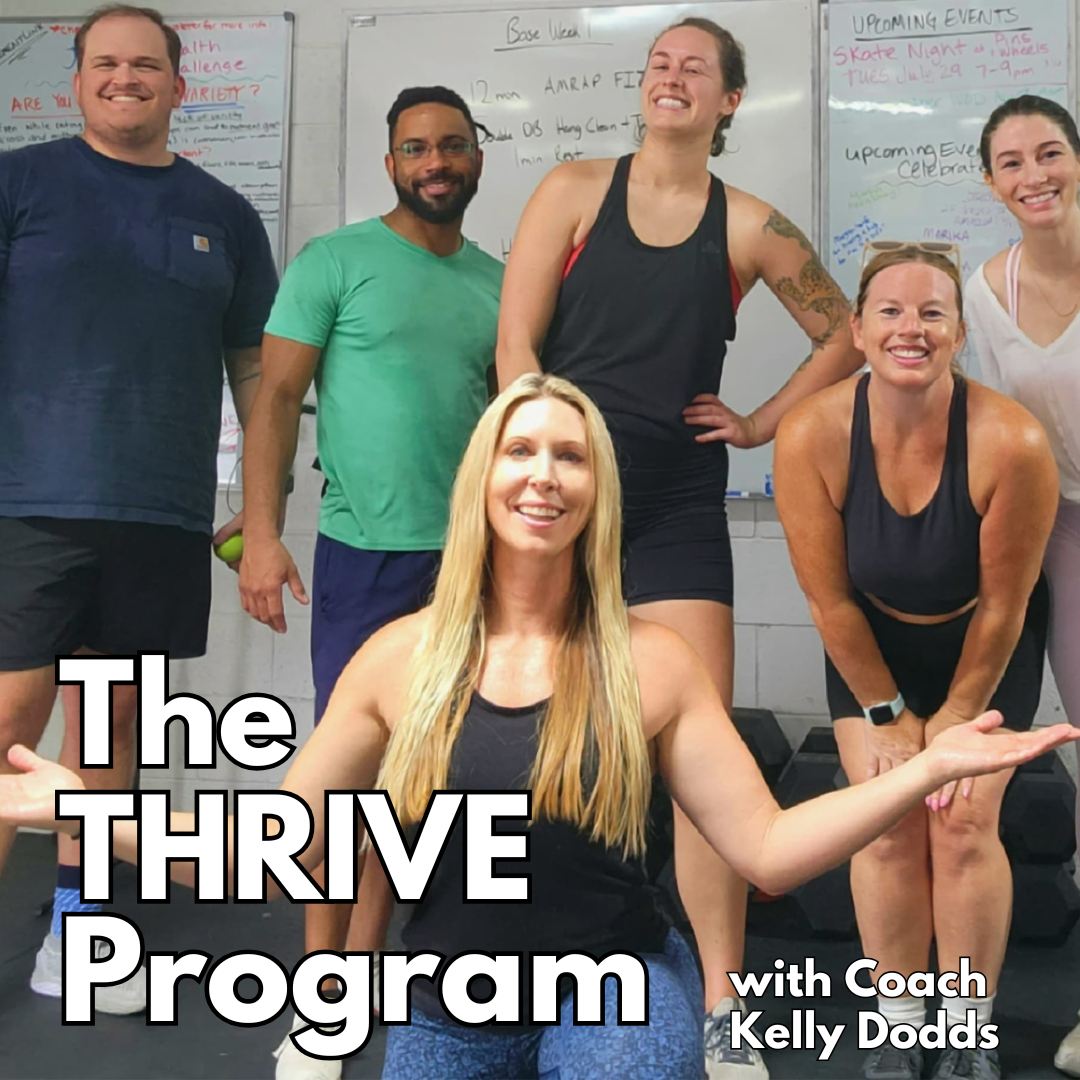
The Essentials: Focus On the Nutrients That Actually Matter - by Kelly Dodds
If nutrition feels confusing, it’s not because it’s too complicated that experts can’t even figure it out…it’s because the messaging is. One week carbs are the enemy, the next week, seed oils or nightshade vegetables. These radical claims are attention-grabbing and get clicks.
Human physiology has not changed for thousands of years, but nutrition trends do. And if we strip away the noise, most people are not struggling because of obscure dietary nuances…they’re under-consuming a handful of essential nutrients that directly impact body composition, energy, recovery, and long-term health.
The body doesn’t label foods as “healthy,” “clean,” “low-carb,” or “high-protein.” It responds to signaling from the molecules that constitute the food, and whether it’s getting what it needs to function and perform. Essential nutrients are molecules our bodies can’t make, so we have to consume them in our diet.
There are four categories of essential nutrients that drive the majority of health and performance outcomes. If you want a practical, evidence-based way to improve your nutrition, focus here:
Protein
Fiber
Unsaturated Fats (ie, Omega-3 fats)
Vitamins & minerals (micronutrients)
1. Protein: The Metabolic Anchor
Protein is the backbone of nearly every physiological system.
Muscle repair and growth
Satiety (feeling full)
Blood sugar stability
Hormone and enzyme production
From an evidence standpoint, higher protein intake is consistently associated with:
Improved body composition
Better appetite control
Greater retention of lean mass during fat loss
Practical Target:
Aim for ~0.8–1.0 grams per pound of goal body weight, spread out across 3 meals per day
Simple Implementation:
Build every meal around a protein source
Prioritize:
Eggs
Low fat dairy, yogurt
Chicken, beef, fish, seafood
Protein supplements (for convenience, not survival)
2. Fiber: The Underrated Regulator
Fiber is a quiet but strong influence on health.
Gut health and microbiome diversity
Blood sugar control
Cholesterol regulation
Satiety and digestion
Immune support
Most people consume half of what they need. And ironically, many “healthy” diets still fall short because they focus on what to avoid, not what to include.
Practical Target:
25 grams per day for women, 35 grams per day men (minimum)
Simple Implementation:
Add, don’t restrict:
Vegetables at with at least 2 meals daily
Fruit daily
Beans, lentils
Whole grains
If your plate has no plants, it’s incomplete.
3. Unsaturated Fats: The Health Heroes
Polyunsaturated fatty acids are critical for our body to keep itself together.
Brain function
Heart health
Immune system and recovery
Reducing chronic inflammation
Cell integrity
We often get plenty of omega-6 and -9 fats, creating an imbalance. Focusing on omega-3 fats can help restore that balance.
Practical Target:
Eat fish 2–3x per week
or~1–2 grams/day of EPA/DHA (from fish or supplements)
Simple Implementation:
Center meals around fatty fish at least 2 times per week:
Salmon, sardines, mackerel
Or use a high-quality fish oil if fish intake is not an option
4. Vitamins & Minerals: The Silent Operators
Micronutrients don’t get the attention they deserve, maybe because there are too many to keep track of. They are the keys that unlock every single process in the body.
Energy production
Immune function
Bone health
Muscle contraction
Cognitive performance
Insufficiencies (even mild) can show up as:
Fatigue
Poor recovery
Low mood
Brain fog
Practical Target:
Dietary diversity (whole foods)
Simple Implementation:
“Eat the rainbow” (it’s cliché, but it works)
Rotate foods and expand options instead of eating the same 5 meals
Include:
Leafy greens
Colorful vegetables
Fruits
Nuts and seeds
A multivitamin can only supplement, not replace, a varied diet
The Bigger Picture: Why This Works
When you consistently hit these targets from the four categories, you naturally improve diet quality. Your body will have the ingredients it needs, when it needs them, so you can maintain health and avoid disease. You regulate hunger and cravings without relying on willpower, which reduces total calorie intake and leads to fat loss. You also support recovery and energy, so you are able to train consistently and see further improvements in body composition.
TLDR Summary on How to Implement (Without Being Overwhelmed)
Week 1: Protein First. Focus only on getting 30-50 grams of protein at each meal.
Week 2: Add Fiber. Start building meals with plants as half of your plate (whole vs. processed).
Week 3: Omega-3 Source. Add fish as the protein source of at least 2 meals this week, or supplement if necessary (1-2g fish oil).
Week 4: Color & Variety. Upgrade micronutrient diversity by adding 3 new types/colors of fruits or vegetables this week.
Within 4 weeks, most people experience:
More stable energy
Reduced cravings
Easier fat loss without feeling deprived
Better digestion
Improved recovery from workouts
This Month’s Challenge:
1. Create a nutrient scorecard by hitting daily targets (score 1 point each):
Protein target hit
25g+ fiber
Omega-3 intake (fish or supplement)
5+ servings of colorful plant foods
Daily Score: 0–4
2. Weekly Reflection
Evaluate average daily score
Energy levels
Hunger/appetite
Workout performance
Body composition changes
Want to make it easy? Work directly with a MovementLink Coach!