What's On My Mind - January 2026
What’s On My Mind
What’s On My Mind
Hunger is Overpowered
This Month’s Health Challenge
The New Year Reset
What’s On My Mind
Hunger is Overpowered - By Kyle Ligon
Hunger is an ancient survival signal that is now an exaggerated, overpowered cue within the realities of our modern environment. Many have a relationship with the feelings of hunger that can drive them into a state of being “hangry” (angry + hungry) when things don’t go perfectly. Similar to how, if we perceive stress as enhancing, it is, simply how we view hunger can have a massive impact on how it actually affects our mood, our performance, and what types of foods we eat.
We are human. We will feel hungry. In this article, I want to lay out the perspective on hunger I use for myself and with my clients in the MOMENTUM Program, to help people dial back their freakouts and embrace the inevitable feelings of hunger as just an exaggerated feeling that provides us information. With this upgrade perspective, sticking to your nutrition plan when you’re feeling hungry becomes a much easier and comfortable path.
Why did I say hunger is an “overpowered cue”? From an evolutionary perspective, it is extremely important for us to feel hungry. As humans we have to eat to survive and without a signal, especially one that is as strong as hunger, humans wouldn’t have enough drive, and early enough, to put the time and energy into hunting, gathering, and eating. In fact, research has been done on mice with lesions on their lateral hypothalamus, ultimately leading the drive to seek and consume food to be eliminated. Even with food inches from their mouths, they would essentially starve to death if they were not force fed.
As hunter gatherers, the vast majority of our days and efforts were spent gathering and preparing food. With harvests and hunts being less than certain, it could take days to find food. It was imperative that our brain made food a top priority and therefore hunger one of the strongest signals we feel to ensure we prioritize food.
But just like many evolutionary mismatches (when our environment evolves faster than our bodies) of our modern world, we are not in the same hunter gatherer situations, our brains just don’t know it yet. In our privileged modern environment, our next meal is certain and the hunger signals we receive when our stomach is empty are simply earlier and stronger than they need to be. It worked for us for tens of thousands of years, but because of our very recent abundance of food, it’s now more of a distorted signal.
When we are managing the evolutionary mismatches that can cause us issues, there are two categories of strategies that are extremely helpful:
Better align the environment and physical stimuli with our body’s evolutionary needs,
Be mindful of what the signals actually mean.
Align with Evolutionary Needs
The hormone Ghrelin is known as the “hunger hormone” released by an empty stomach and Leptin is known as the “satiety hormone” released by fat cells. Our food choices dramatically influence the timing and strength of these signals.
When our diet consists mostly of real foods, high in protein, fat, and fiber, digestion slows down and satiety rises. So, the amount of time before we feel hungry again after eating 1,000 calories of steak and vegetables would be much longer than if we were to eat 1,000 calories of ice cream.
I’ve discussed this example in detail in my article, Surrounded by Supernormal Stimuli, so I’ll only briefly touch on it here. Imagine you are a hunter gatherer who came across a bee hive. They are rare to access and can be a lot of painful effort to get the honey. With the next month’s food unknown, it makes perfect sense that our brains would trigger us to eat as much as possible of this sugary, high calorie treat.
When our brains were triggered to eat and eat, we would always run out of honey well before it made us obese, so there were only long-term benefits to the eat-as-much-as-you-can signal.
Today, food is all around us, especially extremely palatable processed foods with tons of sodium and sugars. So now, when our brain triggers us to eat as much as possible, it’s a huge problem.
To align physical stimuli with our primitive body, by eating real foods and avoiding sugars, added sugars, and sugar substitutes (the triggers to this craving), our hunger signals will be dampened and delayed and it will help adjust our Body Fat Set Point to lean.
Hunger is Enhancing Mindset
Next, we want to use this knowledge to be mindful of what a hunger signal meant for us historically and what it means today. With food being scarce, it means it’s time to make food a top priority. In our modern world, it means our stomach is empty. It does not mean that if you don’t eat something right away you’re going to have an energy crash. It does not mean that you do not have enough body fat stored and are at risk of starving to death. The signal is strong, so sometimes we misinterpret it into these things, but it’s simply not the case today.
In fact, especially when fat loss is a goal, we need our stomach empty and to dip into our fat stores. Not only will it use our body fat for fuel, but our fat can be a preferred fuel. Although a couple of days with an empty stomach would be a hindered state, simply having your stomach empty for a few hours absolutely is not. It is perfectly OK and necessary to reduce body fat.
When we allow our stomach to be empty for a few hours, we activate crucial processes beyond just using fat stores:
Improves metabolic flexibility - our body being able to run on different proportions of carbohydrate, fats, and proteins and use these macronutrients more dynamically.
Insulin sensitivity - when unfed, the pancreas secretes very little insulin keeping our cells responsive to normal amounts of insulin being released in our fed state.
Organ health and cellular clean-up - when we are fed, we are in build mode, but when we are unfed we are in repair and clean-up mode, fixing damaged cells and getting rid of dead ones.
Gut microbiome support - being unfed gives our intestinal walls a rest helping prevent leaky gut while also shifting the composition of our gut bacteria, favoring beneficial species.
We have an improved quality of sleep when we are in an unfed state.
We have enhanced mental clarity due to shifts in brain chemistry.
Also, surprising to most, because hunger is driven by hormones, the feeling of being hungry will actually come and go, with or without food. When I do find myself hungry between meals, I find it very useful to remind myself that hunger is just a feeling, my body has all the energy and resources it needs to thrive, and I’m lucky enough to be certain that I’m not about to go a day without eating.
Without this type of thinking, when we are hungry, our primitive brain does not know it’s not life or death for us. So, if we are less proactive and let ourselves get swept away in it, our brain pushes us to eat high calorie, fast digesting foods…exactly the types of foods that trigger more and more cravings, increase our blood sugar, have low nutrient density, and foods that we want to extremely limit in our diet.
MOMENTUM Nutrition Strategies in Action
When we start putting our new relationship with hunger into practice in the real world, we can see how other MOMENTUM nutrition strategies synergize with this perspective:
Eat mostly real food - helps us feel satiated longer.
No snacks / If you’re hungry eat a full meal - we are better equipped to wait patiently for our next meal and understand that we are not hindered from feeling a little hungry.
Consume all your calories within 2-3 meals and a 6-12 hour eating window - when you’re within your eating window, you don’t have to wait long for your next meal.
Plan your meals - when you know what you’re going to eat and about what time, it’s easier to push the hunger signals aside.
Center meals around protein - protein helps us feel satiated longer.
Eat a lot of fibrous foods - fiber helps us feel satiated longer.
Extremely limit
Processed foods - processed foods are highly triggering and digest fast. Replacing processed foods with real foods helps us feel satiated longer.
Sugars, Added Sugars, and Sugar Substitutes - reduces cravings dramatically.
Healthy, Predictable Hunger
The goal is not constant hunger, but it’s also not never feeling hungry.
It’s important to mention that once you establish a healthy relationship with hunger, when it arrives, it won’t feel like a battle. It becomes a minor, informative signal that gets easier and easier to handle. Yes, being unfed feels different than being fed, but neither state is a hindrance.
The goal is not to be hungry all the time and just learn to deal with it! You should be eating amounts that make when you feel hungry make sense. I don’t eat my first meal until around 10:30 am. It makes sense that I tend to start feeling hungry around 9:30 am. If I am going to bed every night starving, I am likely not eating enough food. When our body fat set point is at a lean level, the amount of food you eat, following the MOMENTUM Nutrition Strategies, should 1) make you feel satiated and 2) only sustain lean levels of body fat.
One last note: when we do make a change to our diet, eating windows, etc., we can expect, in the short-term, more and stronger hunger and cravings than we will after a week or two. Just like our body has gotten used to our current routines and will ask for them, it will get used to our new routines and, because they are healthier, they will love them even more!
This Month’s Health Challenge
The New Year Reset: Replace a Habit That’s Not Serving You and Learn What Actually Helps You Feel, Look, or Perform Better - By Kelly Dodds
Once the holiday chaos fades, there’s time to reflect on goals you have for the fresh new year. January offers a sense of renewal, a pause after holiday excess, and motivation to align everyday actions with long-term values.
Behavior change research consistently shows that people are more likely to initiate change during temporal landmarks (moments that psychologically separate “past me” from “future me”). A new year is a strong example.
January resolutions can often be extreme: All-in fitness plans, total food overhauls, “Dryuary,” or “New Year, New Me” energy. However, by February, most people have given up…not because they didn’t want to change, but because their approach wasn’t built to last. They may have made so many changes at once, that they were overwhelmed. But even more, they wouldn’t know which of the new behaviors had a meaningful impact with so many variables changed at once.
Let’s try something less aggressive. This January challenge is about taking a step back before taking a step forward to observe and strategize, to give us clarity and practicality. In science, experiments work because they are time-limited, structured, have a clear variable, and focus on observation, not judgment.
What is one habit in your life that may not be serving the person you want to become…and what could you replace it with? What happens if I try this for 30 days and pay attention?
No extremes required. No judgments. No identity overhaul. Just honesty and a 30-day experiment.
Awareness Comes Before Optimization
Healthy living isn’t about rigid rules. It’s about understanding how your body responds to everyday behaviors over time. Different people respond differently to dietary patterns, exercise programs, alcohol, meal timing, sleep routines, stress, and recovery.
A short experiment allows you to gather personal data:
How’s your energy during the day?
Are workouts feeling better or worse?
How is your sleep quality?
Do hunger or cravings change?
Does your mood or focus shift?
This information is more valuable than following generic advice blindly.
What Research Tells Us About Habit “Experiments.” And Why Motivation Alone is Not Enough.
Motivation is fleeting - Motivation changes moment to moment, especially under stress, fatigue, triggers, and time pressure. Relying on motivation can be too unreliable to gather meaningful data.
Habits change through repetition, not pressure - Behaviors become automatic gradually, often over several weeks or months. Expecting immediate permanence increases frustration and dropout. A short experiment lowers the stakes and increases follow-through.
Specific plans outperform vague intentions - Behavior change is more successful when actions are tied to clear cues (time, place, or situation). “Eat better” and “be healthier” rarely work because they lack specificity and measurability. Lasting change requires systems, environmental design, and action plans– not willpower. Action planning (“when X happens, I do Y”) is one of the most effective tools for behavior change.
Self-monitoring improves outcomes, regardless of “success” - Tracking isn’t about winning or losing. It’s about noticing patterns. Simply bringing more awareness to your behavior often leads to natural improvements, even without strict rules.
The January Reset Challenge: Replace One Habit
Instead of quitting a “bad habit,” this challenge is about replacing a habit that’s no longer serving you with one that better supports your health, energy, and long term goals. Even though we are technically changing two variables at once, habit swapping is more effective than just trying to end one habit.
Step 1: Choose Your Focus and Pick One Habit You Want Less of
Examples:
Alcohol intake
Late-night screentime
Sugary beverages or other “empty calories”
Skipping meals that leads to snacking or overeating later
Late caffeine that disrupts sleep
Too much sedentary time
Step 2: Add a Habit You Want More of
Examples:
Drink more water
A consistent bedtime routine
A larger, protein-forward breakfast
Attend 4-5 gym sessions per week
A 10–20 minute walk after meals
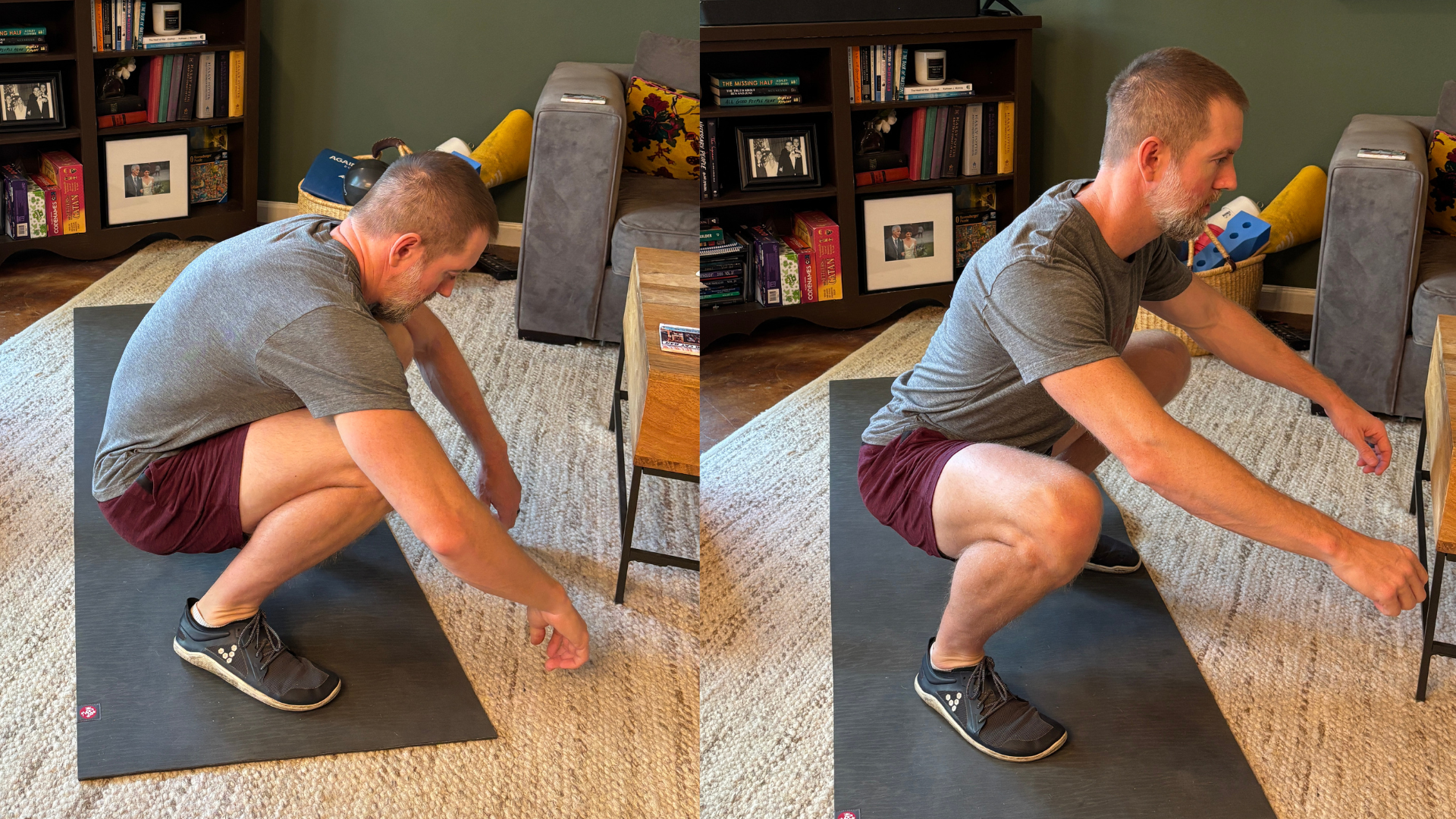
5–10 minutes of daily mobility
Choose what’s most relevant to you and what you want to learn.
Step 3: Write a Simple Experimental Plan
For instance
When (cue): When ______ happens (time, place, or situation)
Then (action): I will ______ for ______ (replacement and “dose”)
Examples:
“When I finish dinner, I’ll walk for 10 minutes.”
“When I feel the urge to pour a drink at home, I’ll choose a non-alcoholic option and wait 30 minutes.”
“When I get into bed, I’ll place my phone on the charger across the room.”
Think of this as defining the conditions of your experiment.
Step 4: Adjust the Environment (So Willpower Isn’t the Variable)
Make the experiment easier to do by adjusting your surroundings
Prepare the habit in advance (shoes ready, food prepped, block time on your calendar)
Add mild friction to the old habit so it’s harder to keep doing
Use a reminder, place a visible cue where the habit should happen
Create a convenient default option
Good experiments reduce noise, and our environment is one of the biggest sources of noise in human behavior.
Step 5: Observe (Don’t Judge)
For 30 days, track a few simple things daily:
Did you do the habit? (yes/no)
Time spent, how much, or frequency
A sentence about how you felt, what you notice
You’re not trying to be perfect. You’re collecting data. Missed days are just part of the dataset.
A Note on Alcohol Experiments (“Dry January”)
Many January challenges focus on abstaining from alcohol. For some people, that can be a valuable reset. Alcohol can negatively impact sleep quality, metabolic health, cognition, and long-term disease risk, even at moderate levels.
Options might include:
A full month without alcohol
Drinking only on specific days
Removing alcohol from the home
Reducing quantity per occasion
Pay attention to sleep, recovery, energy, mood, productivity, performance, and cravings. Let your experience inform future choices.
This Month’s Challenge:
Week 1: Set the habit, write the plan, adjust your environment
Weeks 2 & 3: Repeat in the same context as often as possible, observe, and collect data
Week 4: Reflect and decide what’s sustainable beyond January
By the end of the month, you’ll have a more informed view of what worked, what didn’t, and what’s worth carrying forward. You can then decide if the new habit improved your life and will continue to improve your future.
Want to make it easy? Work directly with a MovementLink Coach!