Nutrition At A Glance
Written By Kyle Ligon - MovementLink Head Coach
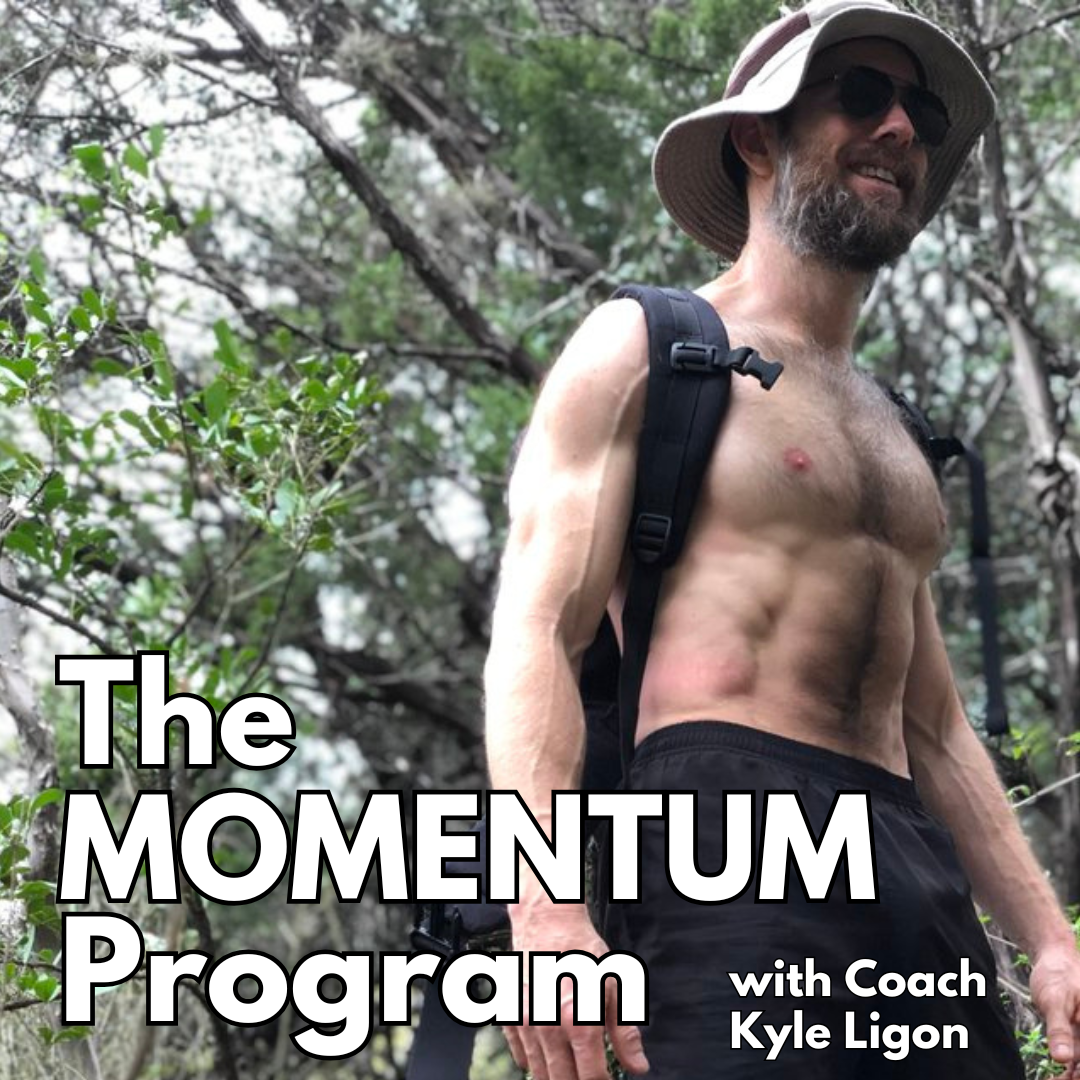
Nutrition is an extremely complicated subject, but we’ve got to start somewhere and the MOMENTUM Program provides a high-level, extremely actionable view of the landscape.
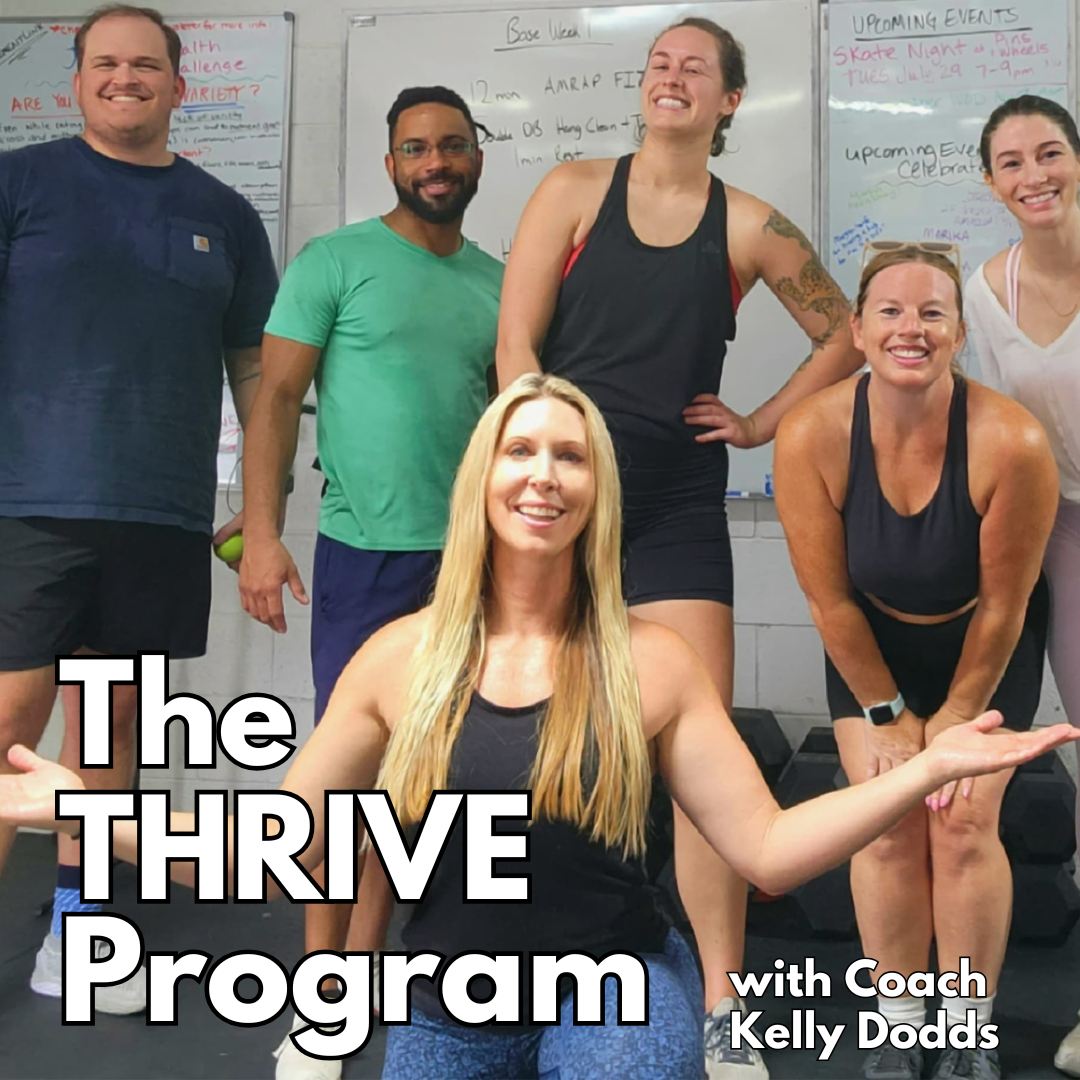
The program would be twice as long if we were going to deep dive into the specifics, so if you are someone who wants to learn in more detail, check out MovementLink’s THRIVE Nutrition Program with Coach Kelly. The Thrive Nutrition Program is designed to give you a perspective and plan for at the granular level for your nutrition.
My main goals with this article is to simplify your nutritional decision making and get you 95% of the way there in ways that fit within our modern lifestyles and account for how our bodies have evolved. This is a foundation that can be adjusted with your goals, how you feel, and your bloodwork.
Eating in the way outlined below accounts for and drives the perfect balance between:
Our Non-Negotiable Fitness Goals:
Functional Performance
Body Composition
Tissue and Joint Health
Overall Health and Wellness
Managing our Body Fat Set Point
Managing Fatigue and Recovering from Workouts (Workouts Don’t Produce Results, They Produce a Stimulus)
High-Level View
Eat mostly real food: meat/fish/eggs, fruits and veggies, and nuts and seeds.
Real food provides the best nutrients and fiber while setting our body fat set point to lean. This is central to getting your brain and body to want the same things you want. The more your diet is composed of real food, the less cravings you’ll have to deal with.
We think your approach should evolve over time with you and the life you want to live and don’t think there’s one rigid solution that’s best for people. Even though we do not think the listed programs below are perfect, these are real food centered nutrition programs that can build a great foundation and have the benefit of having tons of resources and recipes to help you along your journey.
No snacks.
For most people, besides desserts, the worst food they eat is what they’re eating when they have a snack. If you are hungry enough to eat something, you should be eating a full meal.
This little rule, punches above its weight in its effectiveness to limit daily overeating and improving our insulin sensitivity.
Consume all your daily calories in 2-3 meals all within a 6-12 hour Eating Window.
This strategy works on a few levels.
By limiting when we eat, we naturally restrict excess calories that get eating late night.
This style of intermittent fasting helps synch our circadian rhythm and follows natural digestion patterns improving our insulin sensitivity.
A constricted eating window makes it easy to not snack as the next full meal is never far away.
Plan Your Meals
Each morning, review your eating plans for that day. Do you have food ready to heat up in the microwave? Do you have food to cook? Do you need to go to the grocery store? Are you eating out? What are you going to eat?
Planning your meals each morning make it incredibly easy to follow through on what you want yourself to do.
Center Meals Around Protein
Ideally, we will consume about 1g of protein per 1lb of our ideal body weight every day. To accomplish this within our limited eating window, we need to center every meal around protein, mainly meat, fish, and eggs.
Protein is vital for muscle and tissue health and, unlike fats and carbohydrates, is not stored in our body, so it’s imperative that our nutrition strategies account for having adequate protein at most meals.
Eat Fibrous Foods
Fiber makes us feel satiated, helps our digestion, and feeds our healthy gut bacteria. Ensure you’re eating a lot of fibrous foods, frutis, vegetables, nuts, seeds,etc.
Note: it’s easy to see that juicing removes fiber, but less obvious that blending chops the fiber up, reducing its benefits. That doesn’t mean never blend anything, but do be aware of trying to drink or sauce all of your fruits and vegetables.
Time Carbohydrate Intake Well
Carbohydrates have a high propensity to increase our blood sugar, which can lead to insulin insensitivity. Carbohydrates are not bad, but we do want to be aware of when the ideal times to consume carbohydrates.
Time High Carbohydrate Meals Well:
First meal of the day.
First consumption after a workout.
In these moments, our body is better equipped to handle reducing blood sugar without excess insulin.
Limit Cheese, Butter, Nut Butters, and Oil
To put it simply, these foods are very easy to overconsume, so when you are eating these, be aware that just going by feel typically does not work. With other real foods, meat, fish, eggs, fruits, vegetables, nuts, seeds, etc., overconsumption is much more difficult.
Do Not Choose Fat-Free Products
Dietary fat being the enemy is an outdated misconception, so when consuming things, avoid the reduced fat options as the full fat options, like whole milk, are typically healthier.
Cook With and Consume these Oils: Extra virgin olive oil, coconut oil, and avocado oil
It is believed that canola oil, vegetable oils, etc. may be detrimental to health, but the jury is still out. But, this one is easy enough to hedge your bet on the ones oils that are consistently accepted as being healthy. If you consume a bunch of canola oil and it turns out it’s not great, is a much worse scenario for you than the minor annoyance of limiting it and focusing on these other oils and having canola oil turn out to be OK.
Extremely Limit or Avoid Entirely
Processed Foods - extremly high sodium, reduced fiber, added sugars, and very easy to overconsume.
Foods for which you are allergic or sensitive
Common Allergies/Sensitivities
Dairy
Grains
Common Symptoms
Rash
Runny Nose
Red Face/Rosacea
Swollen Hands/Fingers
Achy Joints
Sugar, Sugar Substitutes, Fake Sugar, Added Sugars.
Alcohol, Marijuana, and Drugs
Common and General Supplements to Explore:
Update your diet and which supplements you take by talking with your doctor and analyzing biomarkers. Personally, I get my blood tested through InsideTracker.
Vitamin D3
Omega 3
Magnesium Glycinate
B12 with Folate
Electrolytes
Creatine
Whey and Casein Protein Powder
Understand that these are Myths:
You have to Count Calories or Macros to Lose or Maintain Weight - False.
To Lose Weight You’ll have to Feel Hungry All The Time - False.
Fats are Bad - False.
Carbohydrates are Bad - False.
Protein causes cancer - False
Meat is Bad - False
Eggs are Bad - False
Make it stand out
Whatever it is, the way you tell your story online can make all the difference.