What's On My Mind - December 2025
What’s On My Mind
What’s On My Mind
Muscle Building Essentials
This Month’s Health Challenge
The End-of-Year Health Audit
What’s On My Mind
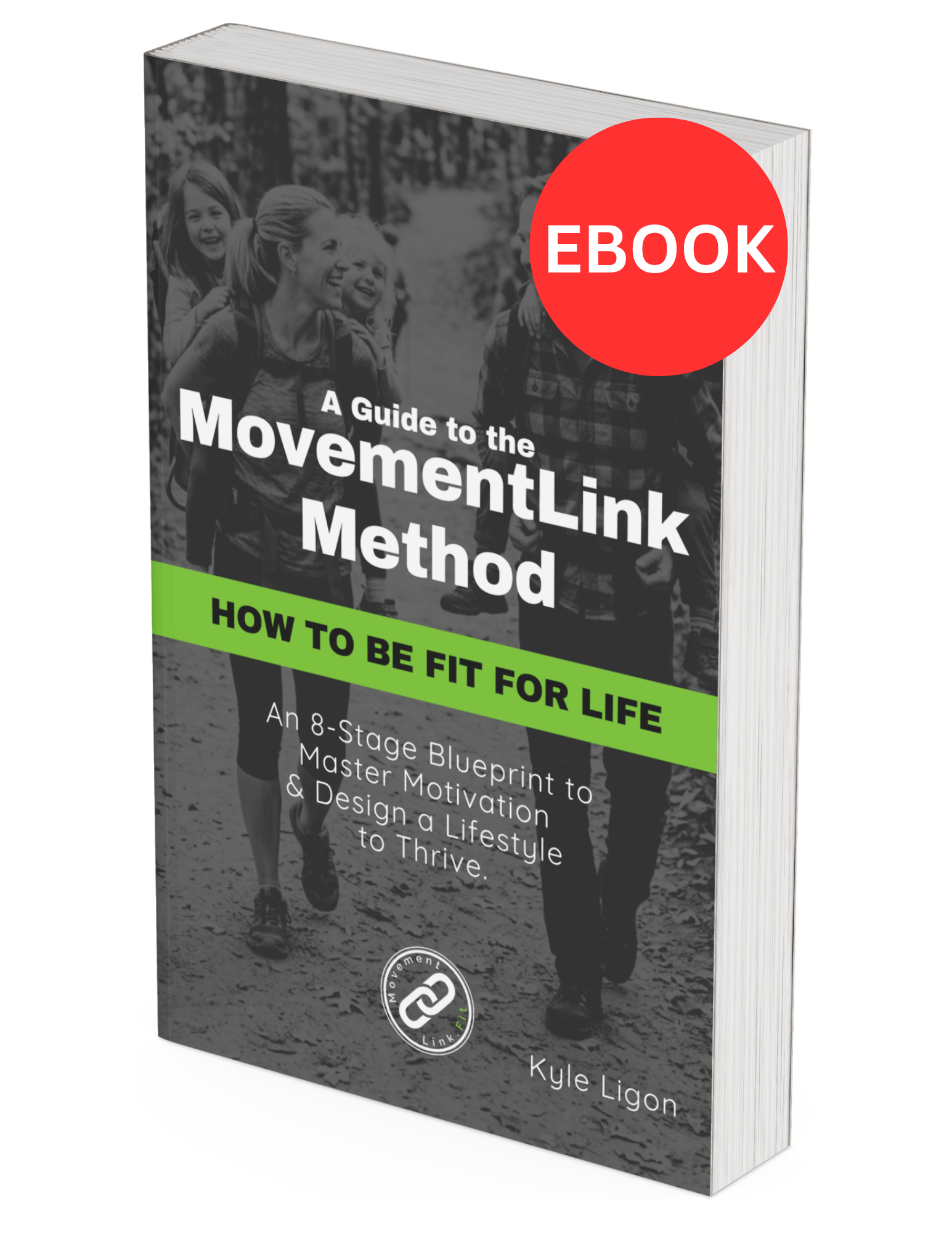
Muscle Building Essentials - By Kyle Ligon
Muscle mass is not just one of the leading predictors of longevity, but muscle is highly metabolically active, leading to the more muscle mass you have making it easier to maintain lower body fat levels. Additionally, some are doing it for aesthetic reasons, either that toned look or that jacked look. It’s important to note that hormones, especially testosterone, will be the primary factor on how bulky you get, so if you are someone with low testosterone, you will likely not get bulky even following aggressive muscle building protocols.
Like building strength, building muscle (hypertrophy training) can be a frustrating journey for those who don’t understand the essentials. In classes where everyone is following the same program, all will benefit, but some will get strength and muscle building gains that outpace the rest. Part of this is genetics, but as someone who does not have the genetics to easily build a ton of muscle, I know just how big of a role the right strategies play.
There are gold standards of sets and reps for strength training (Prilepin’s Table), and in previous articles I have discussed how, even when using the right percentages and rep schemes, if you’re simply letting the weight that’s on the bar dictate your effort levels, you’re leaving a lot on the table. This is nuanced and there are strategies to employ to ensure you’re getting the most effective stimulus. I dive deep into this topic in two strength training essentials articles, The Need for Speed and The Force Awakens.
Let’s start with what’s the same: Using primarily functional exercises, ensuring they are performed with functional techniques, performed through full ranges of motion. This is something I discuss frequently, so won’t go into it again here.
Although muscle building and strength training both fall under the resistance training umbrella, they prioritize different outcomes. There is a crossover benefit of muscle building from strength training and vice versa, but strength training is done with heavier weights, typically in sets of 1-6 reps, while muscle building happens in bigger sets.
A Note on Bulk: Ironically, those worried about getting bulky often gravitate toward lighter weights and higher reps, which is exactly the protocol for muscle growth. If you want to get strong without the bulk, counterintuitively, lifting very heavy is the most effective path.
Beyond the number of reps per set, a major difference between the two is what bodybuilders refer to as mind-muscle connection. In strength training, we want to complete the rep with good technique and as much force as possible. Muscle building, however, shifts the priority from maximal force application into specific effort levels and intentional muscle focus (mind-muscle connection). With slower reps and lighter weights, it’s easier to focus both on technique and actually feeling a specific muscle flex.
The Problem with Fixed Prescriptions
For muscle building, we have similar challenges to strength training in that we know on paper what percentages and reps would be ideal, but actually selecting the right weight for a specific number of reps is practically impossible.
We can’t just say to do a set of 20 reps at 50% of an estimated 1 rep max. Even when you have a well established max, your max can be ±15% on any given day due to fatigue, sleep, stress, nutrition, previous workouts, etc. Furthermore, for hypertrophy we are often using exercises that we don’t even have estimated maxes for, like Double DB Bench Press, Double DB Bent-over Rows, etc. further complicating weight selection.
This inherent variability is why we must assume that we cannot get the weight on the bar perfect and shift the focus to the quality of effort.
When we are in the hypertrophy rep ranges that optimally build muscle, it’s just very hard to know what weight we should use to get the appropriate stimulus on a set of 12 reps. We have found it best to work with rep ranges instead of a specific number of reps. Using Relative Perceived Exertion (RPE) or Reps in Reserve (RIR) allows us to do this.
RPE - On a scale of 1 out of 10, with 10 being a max effort, RPE conveys the effort level.
RIR - If a max set with the exercise and weight you chose would be 10 reps, 2 RIR would mean you do 8 reps (2 reps shy of failure).
For example, if you could do a max set of 16 reps (with good technique), an RPE of 8 would be doing about 13 reps and 3 RIR would also be 13 reps. These two can be used to represent equivalent things, and both have their pros and cons, so the preference of using one over the other simply comes down to its intuitiveness for the situation or individual.
The MovementLink Programming has a preference for RIR because we in group classes, we’ve found RIR to be the simplest to explain, but we are not dogmatic of RIR over RPE as they can both be used to elicit the same stimulus.
We have a very good idea of how many sets at different effort levels are optimal at each part of a cycle to maximize results. So we focus more on the number of sets and their effort level, and let the specific number of reps fall where they may, as long as they are in a hypertrophy range.
We have an additional problem if we were to target a specific number of reps instead of a range of reps that comes from the emphasis on technique and mind-muscle connection over the speed of reps. With the same weight and the same effort level, slower reps will greatly increase the fatigue from each rep, reducing the total number of reps that can be performed in a set, but slower reps are not worse for hypertrophy, sometimes slow will actually improve technique and the mind-muscle connection.
Some programs try to account for this by using Time Under Tension (TUT). In TUT, instead of specifying the number of reps, the amount of time for the set is specified, like performing double db bench presses for 1 minute. But, TUT does not fix the problem of selecting the appropriate weights. If I were to do 1 minute of double db bench presses, the effort level will be dramatically different depending on the weight I choose. We want to remove this issue, so that we are able to get each set right where we want it to be.
With all this, we can see why specific reps or time cause a cascade of challenges that hinge on the exact weight we choose. We don’t want anyone to be limiting themselves because they accidentally chose the wrong weight. For example, if we say do a set of 15, then they will either
Choose a weight that is too heavy and fail on the way to 15 which effectively puts the effort level at 0 RIR. There’s nothing wrong with a program using 0 RIR, but there is a big issue with people following a program that is intending 2 RIR and taking it to 0 RIR.
Choose a weight that is too light and stop at 15 reps when they could have done more. This may change the RIR to 3, 4, 5, sometimes even 10-15 with novice lifters.
Don’t take every set to failure!
I want to touch quickly on using different effort levels throughout a cycle and working to failure. First of all, failure is extremely hard on our central nervous system and carries exponentially more risk than stopping shy of failure, but there’s a balance to maintain. Too little effort and we’ll miss the stimulus, too much and we carry more risk than necessary.
The biggest gains are made with a combination of consistent, sub-maximal work (above our minimal effective volume and intensity) mixed with a few moments of overload (near or at our maximum recoverable volume and intensity). In our MovementLink programming we manage fatigue and this ability to overload, by ramping up our effort throughout a cycle. We tend to start around 2-3 RIR in week 1 and move towards 0-1 in week 3. Being recovered and able to push the quality and intensity of week 3 is more important than trying to make every set you ever do as hard as possible. So, follow the prescribed RIR and don’t fall for the trap of thinking that taking everything to failure is better.
The Solution in Practice:
In MovementLink programming, you’ll see it written out as:
3 Hard* Sets
Double DB Bench Press
*Hard Today = 2 RIR with the first set being between 15 and 20 reps.
Here, if the weight is too heavy, we can still stop with 2 RIR and then adjust the weight down for the subsequent sets. If it’s too light, we can either stop the set early if we realize it’s too light in time and use it as a warm-up set or we can just continue on to 2 RIR, maybe doing 35 reps in the first set and adjusting the weight from there.
This style is dynamic and ensures the right effort on every set.
How to Dial It In
The key is actually performing sets with the right amount of effort and the biggest challenge for people is learning what different RPE and RIR levels feel like. It is not uncommon for some people to stop with as many as 10 or more reps in reserve thinking they are 2 reps shy of failure (yes, that is real and happens frequently). It takes experience to learn the limits of what we are capable of, so this strategy will help you figure it out.
Let’s use the same example of 3 sets of Double DB Bench Press from above. If you are unsure (which is most people), we would want you to try to hit the prescribed RIR on your first two sets, but then we want you to take the last set to failure. During that last set, if 2 RIR was prescribed, note what rep you think is 2 RIR, but continue on to failure or 0 RIR.
For this, having a coach there for the set is ideal because 1) they can spot you, and 2) they can ensure you truly go to failure, safely. Even with a failure being more clearly defined than 2 RIR, people often still stop shy of failure just because of how uncomfortable it is.
It takes time to dial this in, so it’s likely the first two sets will be short of the effort we are looking for, but working to failure is so fatiguing that the 3rd set will make up for it.
Note: for us, failure is not when we cannot move the weight, it is when we have a significant breakdown of technique that we cannot correct on the next rep.
To sum it up, for muscle building, the essentials are:
Optimal number of sets, at specific effort levels, within hypertrophy rep ranges
Technique
Full Ranges of Motion
Mind-Muscle Connection
Reps in Reserve allows us the flexibility to not have to select the exact right weight and reps ahead of the set while ensuring an optimal stimulus is achieved. Once these set and rep ranges are in place, make sure you are meeting the prescribed effort levels and get more out of every workout.
This Month’s Health Challenge
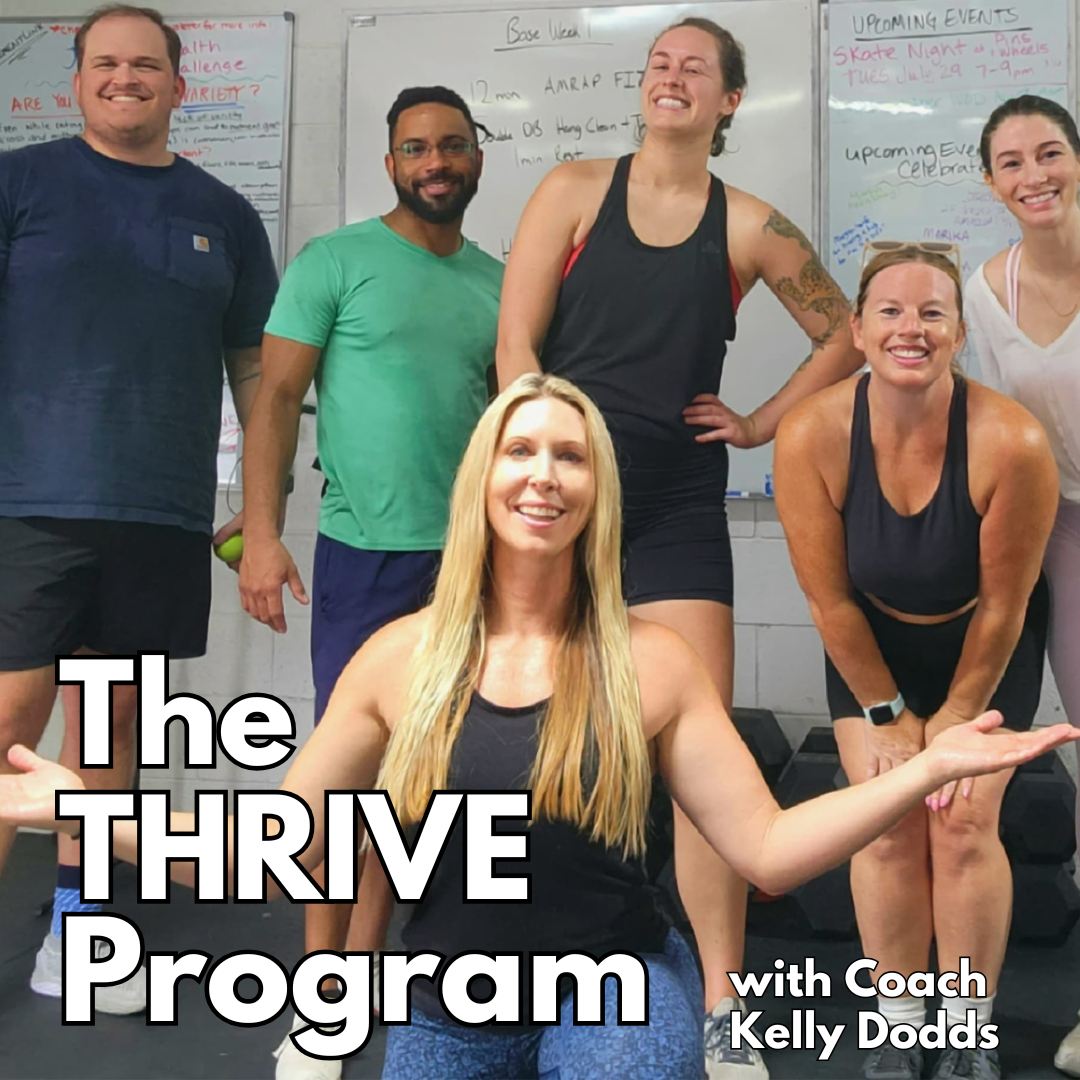
The End-of-Year Health Audit: Get Ready for a Stronger, Healthier 2026 - By Kelly Dodds
Most people set goals to get healthier in the New Year… but what does that even mean unless you know what your current health status is so you can be “healthier” come January?
A year-end health audit can give you a clear baseline to know your body composition, fitness, nutrition, and biomarker status, insight into your current habits that help or hinder your goals, and make a data-informed plan for improving health and performance in the coming year and the rest of your life. Research shows that self-monitoring, periodic assessment, and objective metrics dramatically improve adherence to lifestyle changes, weight management, and disease prevention.
Below are some annual check-ins that can inform your health goals going into the new year.
1. Body Composition: DEXA Scan
The dual-energy X-ray absorptiometry (DEXA) scan is the gold standard for body composition analysis in both research and clinical practice. It provides:
Total body fat percentage and regional fat distribution
Visceral adipose tissue (VAT)
Lean mass in each limb and trunk
Bone density (to an extent)
This matters because:
Weight on the scale isn’t very informative. Body fat percentage and the amount of lean tissue you have are more important measurements to predict health than your weight.
Visceral fat is one of the strongest predictors of cardiometabolic disease, independent of total body fat.
Skeletal muscle mass is a major predictor of metabolic health, glucose regulation, and healthy longevity. Older adults with higher muscle mass have significantly lower all-cause mortality.
Trends over time (year-to-year comparisons) are more valuable than absolute numbers.
Complete a DEXA scan each December to compare to your prior year. Watch for loss of lean mass, gains in visceral fat, or significant changes in bone density.
2. Biomarker Panel: Detect and Monitor Abnormalities
Annual lab testing helps catch issues early and can guide lifestyle decisions. Some core biomarkers that are recommended to check include:
Metabolic Health
Fasting glucose (measures acute blood sugar level)
HbA1c (measures long-term blood sugar average)
Fasting insulin (strongest early indicator of insulin resistance)
Lipid panel: Total cholesterol, LDL-C, HDL-C, triglycerides
ApoB (more predictive of atherosclerotic risk than LDL-C)
Inflammation
hs-CRP (chronically elevated hs-CRP is associated with increased risk of CVD, diabetes, and all-cause mortality)
Liver, Kidney & Electrolytes
CMP - comprehensive metabolic panel (includes liver enzymes, creatinine, BUN, electrolytes)
Hematology
CBC - complete blood count (screens for anemia, infection, and overall blood health)
Nutrient Status Markers
Vitamin D (25-hydroxy - low levels are associated with fractures, immune dysfunction, and chronic disease risk)
Ferritin (best marker of iron stores; both low and high levels have health implications)
Vitamin B12 (especially important for adults over 50, vegetarians, metformin users, antacid users, and those with fatigue or neurological symptoms)
Folate (low levels can impair red blood cell formation and DNA synthesis)
Omega-3 Index (reflects EPA+DHA in red blood cells; higher levels correlate with lower cardiovascular mortality)
Not included: magnesium, zinc, calcium, or most B vitamins—serum levels are poor indicators of tissue status and rarely change clinical management.
Other markers you may want to screen (especially if symptoms are present)
TSH + Free T4 and T3 to identify thyroid dysfunction
Uric acid for metabolic health or gout risk
Lp(a) if strong family history of heart disease
Hormones like testosterone, prolactin, or estradiol (if symptomatic)
PSA for men over 50 to test prostate
FIT or Cologuard colon test
3. Fitness Status: Markers of Health & Longevity
Fitness is one of the strongest predictors of mortality, including respiratory capacity, strength, and functional ability.
VO₂ Max - One of the strongest, most well-validated predictors of long-term health and mortality in all of exercise science and preventive medicine. The protective effect of high VO₂ max is shown to be continuous and dose-dependent, meaning more fitness = lower mortality risk with no upper limit. The test can be performed on a treadmill or bike.
Strength, Functional Ability, and Tissue & Joint Health - Our mobility tests and benchmark tests are strong indicators of your strength, fitness, and the health of your musculoskeletal system. Use the data you have from the October Benchmark Week to guide your fitness goals in the new year. Our next benchmark week is in April, when you can test yourself again after implementing some new healthy habits!
4. Nutrition Audit: 3-Day Food Log
Most people underestimate calorie intake and overestimate protein and micronutrients. A 3-day food log (using the free version of Cronometer) provides some insight into your estimated total daily calorie intake, how much essential protein, fiber, omega-3, and micronutrient you’re getting, and patterns of nutrient gaps (common ones are iron, magnesium, B12, vitamin D, potassium, calcium).
Key intake targets to review:
Protein: ≥0.8-1.2g/lb/day for active adults
Fiber: ≥25–35 g/day
Omega-3: ≥1.6 g/day
Vitamins & Minerals: See if any patterns emerge over 3 days, like if you are consistently low on calcium or magnesium each day
Variety: Aim for 20+ plant types/week
5. Lifestyle & Daily Habits Checklist
Lifestyle patterns often predict health outcomes more accurately than labs. Likewise, our environment, everything that’s around us, impacts our health much more than our genetics. Taking inventory of the environmental factors around us and how they may affect our goals is another way to find simple changes to make that can have a big impact on future health outcomes.
Sleep
Adults need 7–9 hours
Irregular sleep schedules impair metabolic and cardiovascular health
Track: bed/wake times, total sleep, sleep consistency
Movement & NEAT
Non-exercise activity thermogenesis (NEAT) can burn hundreds of calories per day and is strongly associated with metabolic health
Track: daily steps (target: 8,000+) and time spent sitting
Environment - Other things that affect our health and can be better optimized
Sunlight exposure (linked to circadian rhythm and vitamin D status)
Time outdoors/in nature
Alcohol or nicotine use
Screen habits
Food environment (home setup)
Dental hygiene
Note daily stressors, coping strategies, and symptoms of overload
Social connection: relationships & community
The bottom line is that it’s hard to know if you’re making meaningful changes if you don’t know where you are starting or what progress looks through objective measures; plus, the data you collect can help prioritize health and lifestyle goals as well as form an action plan to reach those goals. A year-end health audit helps you understand your current trajectory and gives you an efficient and effective roadmap toward a healthier and happier 2026.
Kyle and Kelly are always available to help answer your health & fitness questions and set some goals for 2026. We also offer personalized programs that are designed to help make your health & fitness journey easier to reach your goals faster.
The End-of-Year Health Audit Challenge:
1.Measure Your Baseline
Schedule and complete a DEXA scan (BodySpec may have end of year specials)
Get lab work for a panel of biomarkers
Test VO₂ max AND review or perform Benchmark & Mobility tests
Keep a 3-day food log (Cronometer [free version] is a great tool)
2. Lifestyle Review - Track habits and environmental factors for 1 week, like sleep, steps, screentime, time spent outside, stress and energy levels, etc.
3. Analyze & Plan For 2026
Set 1-3 SMART goals
Identify the habits most likely to move those metrics
Strategize ways you can implement these habits into your daily life
Want to make it easy? Work directly with a MovementLink Coach!